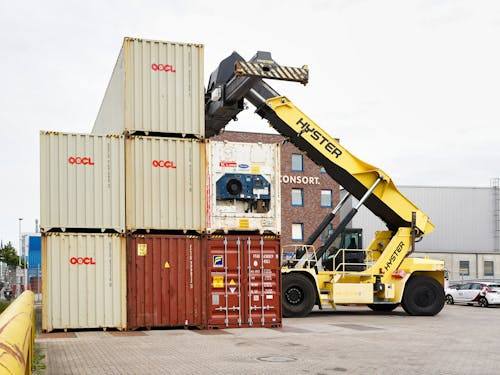
Picture a steel container sitting in a yard somewhere in Rotterdam. It has been parked there for nine days. Nobody is sure exactly when it arrived. The shipper thinks it left the vessel last Tuesday. The receiver thinks it is still at sea. Both are guessing, and the guesses are costing somebody money. This kind of fog is more common than people admit. Containers go missing for days at a time, not because they have been stolen, but because nobody is watching them between handovers. A proper shipment tracking solution closes those gaps so neither side has to guess. The hardware to fix this has been around for a while.
What changed recently is the power source. A solar powered GPS tracker for containers runs on the light hitting the box, so it keeps reporting through the quiet stretches when nobody on either end is paying attention.
The battery problem nobody wants to talk about
Old GPS trackers ran on disposable batteries. They lasted weeks, maybe a month or two if you stretched the ping interval out. Then somebody had to find the device, swap the battery, and send it back into the field. For a single van moving on local routes, fine. For a fleet of 5,000 sea containers crossing oceans, it falls apart fast. The maths is brutal. A container makes a journey of 30 to 60 days. The tracker needs to keep talking the whole time. If the battery dies on day 22, you have lost the back half of the trip. A solar powered GPS tracker for containers fixes that gap.
The unit tops itself up from daylight on the deck or the roof of the container, so it keeps reporting on day 22, day 45, and day 60 without anyone touching it.
Why solar changes the shipment side of things
A solar-powered GPS tracker for containers sidesteps the whole battery cycle. The unit charges itself from ambient daylight, even on overcast days. There is a small backup cell inside for stretches in a hold or a tunnel. Lifespan stretches well past ten years on properly built hardware.
That changes how you plan a shipment tracking solution at the fleet level. Here is why:
- Devices stay in the field for years, not weeks.
- No retrieval, no swap, no return shipping
- The cost per shipment falls every year the device keeps working.
- E-waste drops because hardware is not getting tossed every quarter
Anyone who has run reverse logistics for tracking devices knows how messy that gets. Solar takes the messiest part of the workflow off your plate.
What it actually does in the field
A solar-powered GPS tracker for containers is built to sit outside, all day, every day. Salt air, rain, baking sun, sub-zero nights. The casing has to handle all of it without giving up. Inside, it is doing roughly the same job as any other tracker, just for far longer:
- Live location pings on a schedule you set
- Geofence alerts when the box crosses a port boundary or a customer site
- Movement detection if the container shifts when it should not
- Battery state and tamper readings
Pings are usually less frequent than you would get on a parcel-level device. That is fine. A sea container does not need a fix every 60 seconds. Once or twice an hour, with extra pings around port arrivals and departures, gives you the picture you actually need.
A Final Word
Solar is not a fit for every cargo type. For container fleets that move slowly across long distances, though, it solves a problem that batteries quietly never did.
Featured Image Source: https://images.pexels.com/photos/34109547/pexels-photo-34109547.jpeg