Choosing the Right Help When Water Damages Your Property
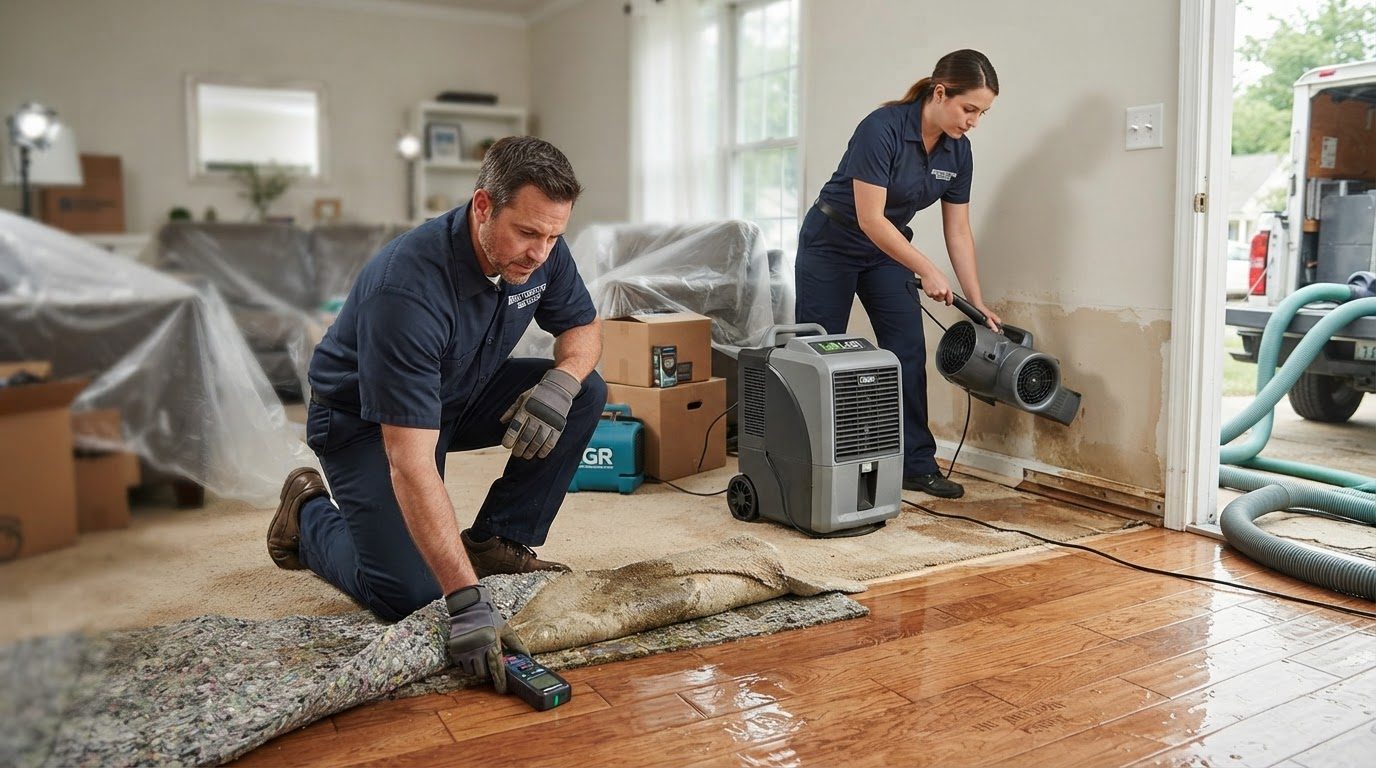
A failed supply line, overflowing appliance, or summer storm can turn a minor leak into a building-science problem within hours. Water moves through flooring, drywall, ceilings, insulation, contents, and structural assemblies—often beyond the area visible at the time of discovery.

When comparing Water Damage Restoration Companies, look beyond a rapid quote. The right provider should identify the source, classify contamination, document moisture, remove water safely, and explain which materials can be dried, cleaned, or must be replaced.

For Denver-area property owners, Restoration Logistics is one example of a local resource to evaluate alongside other qualified providers. Regardless of the company selected, emergency work should be based on measured conditions rather than assumptions about what appears dry.

When Professional Restoration Is Necessary

A small clean-water spill on a sealed surface may be manageable if it is immediately absorbed and the substrate remains unaffected. Professional help becomes more important when water is standing, continues to spread, entered wall or ceiling cavities, came from a sewer or flood, or remained undiscovered.

Porous materials absorb water quickly. Carpet padding can hold substantial moisture; drywall may wick upward from the floor; wood flooring can cup or buckle; insulation loses performance; and contents may stain, swell, corrode, or develop odors. Water trapped beneath flooring or inside framing can support microbial growth, sometimes before visible mold appears.

Safety is equally important. Water near energized outlets, appliances, panels, or wiring presents an electrical hazard. Sewage, floodwater, and water from a backed-up drain may contain pathogens and require controlled handling and personal protective equipment. In Colorado, rapid weather changes, snowmelt, and intense thunderstorms can also create basement or crawl-space incidents that affect foundations and lower-level assemblies.

Fast extraction reduces the time materials remain saturated. Prompt drying can limit secondary damage, reduce demolition, and improve the chance of saving flooring, cabinetry, and contents.

Services Water Damage Restoration Companies Provide

A capable restoration contractor may provide a complete mitigation and recovery sequence:

  • Emergency response and source-control coordination.
  • Inspection, moisture mapping, and documentation.
  • Water extraction using truck-mounted or portable extractors and pumps.
  • Structural drying with air movers and dehumidifiers.
  • Selective removal of unsalvageable drywall, flooring, insulation, or padding.
  • Cleaning, sanitizing, deodorization, and odor control.
  • Sewage and contaminated-water cleanup.
  • Basement, crawl-space, and confined-area drying.
  • Contents pack-out, cleaning, inventory, and storage.
  • Mold prevention and, where necessary, mold remediation.
  • Commercial property restoration for offices, retail buildings, multifamily properties, and industrial facilities.

The terminology matters. Mitigation limits immediate damage through extraction, containment, and drying. Cleanup addresses debris, soil, residues, and affected contents. Remediation manages contamination such as mold or sewage. Repair restores damaged components, while reconstruction may involve framing, drywall, flooring, cabinets, painting, and finish work.

The response depends on the source and contamination category. A supply-line leak is materially different from a toilet backup or floodwater intrusion. Contractors commonly use the IICRC S500 Standard for Professional Water Damage Restoration as a technical reference, while OSHA requirements govern workplace safety practices. Mold work may also involve EPA guidance and applicable state or local requirements.

What Happens During a Restoration Project

Initial Assessment and Containment

Technicians first stop or isolate the source when possible, determine how far water traveled, and identify electrical or structural hazards. They photograph conditions, record affected rooms and materials, and protect unaffected areas with containment barriers, floor protection, or controlled access.

Moisture meters help distinguish dry from affected drywall, wood, and flooring. Pin and pinless meters measure moisture in materials, while thermal imaging can reveal temperature patterns associated with hidden dampness. Thermal cameras do not measure moisture directly; technicians must confirm apparent anomalies with moisture readings and probing.

The assessment should identify the water category, affected assemblies, contents at risk, and whether demolition is necessary. A written scope and moisture map make later decisions more transparent.

Extraction, Drying, and Monitoring

Removal begins with pumps, wet vacuums, or specialized extraction equipment. Porous materials that cannot be effectively cleaned or dried may require controlled removal. Technicians then position air movers to increase evaporation and dehumidifiers—refrigerant or desiccant units—to remove vapor from the air.

Visible dryness is not proof of complete drying. Moisture can remain beneath hardwood, under vinyl flooring, inside walls, below cabinets, in subfloors, or within insulation. Technicians should return periodically to record readings, adjust equipment, and compare results with unaffected reference materials.

Drying time varies with temperature, humidity, material density, airflow, and accessibility. Rushing equipment removal can leave concealed moisture that later causes odors, swelling, microbial growth, or finish failure.

Cleaning, Repairs, and Final Verification

Cleaning and disinfection depend on the water source. Clean-water losses may require drying and surface cleaning; contaminated losses demand stronger controls, removal of affected porous materials, and appropriate disinfecting procedures. Contents may be cleaned on site or transported for specialized treatment.

Restoration can extend beyond extraction into drywall replacement, insulation removal, subfloor repair, flooring installation, cabinet work, painting, or structural reconstruction. A contractor should distinguish emergency mitigation charges from reconstruction pricing.

Before normal use resumes, the company should complete final moisture checks, inspect concealed or previously affected areas, remove equipment, and provide documentation such as readings, photographs, equipment logs, and an itemized invoice.

How to Evaluate Water Damage Restoration Companies

Compare providers on operational capability, not just advertised response time:

  • Confirm 24-hour availability, local technicians, and realistic arrival windows.
  • Ask about residential, multifamily, commercial, or industrial experience relevant to the loss.
  • Verify training, IICRC certifications, safety procedures, insurance, licensing, and applicable local requirements.
  • Ask which moisture meters, extraction systems, air movers, dehumidifiers, and monitoring methods are used.
  • Request a written scope that separates mitigation, contents work, repairs, and reconstruction.
  • Determine whether the company performs repairs or coordinates with qualified trade contractors.
  • Review service agreements, cancellation terms, warranties, complaint history, and recent customer feedback.
  • Ask how photographs, moisture readings, equipment logs, and invoices will be shared.

Insurance cooperation can be useful, but it is not the same as coverage approval. Policy language, deductibles, exclusions, maintenance issues, flood insurance, and the timing of the loss all matter. Notify the insurer promptly, retain records, and avoid signing an assignment or broad authorization without understanding it.

Immediate Actions, Costs, and Common Questions

What to Do Before Help Arrives

If safe, shut off the water supply and stop appliances or fixtures contributing to the loss. Do not enter standing water near electrical equipment, and do not handle sewage or floodwater without suitable protection.

Move valuables only when doing so will not expose you to electrical, structural, or contamination risks. Photograph rooms, damaged belongings, visible water lines, and the suspected source. Preserve damaged materials when the insurer or contractor advises it.

Avoid indiscriminate demolition, household fans, or attempts to clean contaminated water. Moving air through sewage-contaminated areas can spread pollutants, while premature demolition may destroy evidence or overlook hidden moisture.

What Determines Restoration Cost

U.S. emergency mitigation commonly ranges from roughly $1,000 to $5,000 for a limited clean-water event, while extensive flooding, contamination, contents handling, or structural drying can reach $10,000 to $30,000 or more. These are broad planning ranges, not quotes.

Pricing depends on:

  • Water volume, source, contamination category, and emergency timing.
  • Affected square footage, number of rooms, and accessibility.
  • Materials requiring extraction, removal, cleaning, or replacement.
  • Equipment duration and monitoring visits.
  • Contents pack-out, specialty cleaning, storage, and inventory.
  • Mold treatment, odor control, and reconstruction.

Mitigation is usually billed separately from repair or replacement. A modest extraction invoice may therefore precede a larger reconstruction estimate if drywall, flooring, cabinetry, or insulation must be replaced.

How quickly should help arrive? Immediately for standing water, sewage, flooding, burst pipes, or hidden moisture. Even a same-day assessment can improve drying decisions.

Will insurance pay? Sometimes. Sudden, accidental water damage may be covered, while long-term seepage, maintenance failures, or some flood losses may be excluded. Only the policy and insurer can determine coverage.

Can water damage cause mold? Yes, particularly when porous materials remain damp. Prompt extraction and documented drying reduce risk but do not guarantee that mold will not develop.

Can I clean it myself? DIY cleanup may be reasonable for a small, isolated clean-water spill that never reached cavities or electrical systems. Professional assessment is safer when water is contaminated, widespread, concealed, or associated with structural damage.


Here’s Why Reliability Should Be Non-Negotiable in Bathroom Installation

Unreliable contractors destroy lives. They disappear with your deposit. They abandon half-finished projects. They leave you with broken plumbing and no way to shower for weeks.

Finding a reliable and professional bathroom installer isn’t just about getting quality work. It’s about protecting your family from the chaos that unreliable contractors create in your home and your finances.

The bathroom renovation industry attracts fly-by-night operators who prey on homeowners desperate for affordable solutions. These contractors make promises they can’t keep and disappear when problems arise.

Your bathroom is too important to gamble with unreliable installers.

Unreliable Contractors Abandon Projects Mid-Stream

Picture this scenario. Your bathroom renovation starts well. The contractor removes your old fixtures and begins demolition. Then they stop showing up.

Phone calls go unanswered. Text messages get ignored. Your bathroom sits gutted and unusable while you scramble to find another contractor willing to finish someone else’s mess.

This nightmare happens more often than you might think. Unreliable contractors take on more projects than they can handle, then prioritize the jobs that pay better or seem easier to complete.

Your family gets stuck without a functional bathroom for weeks or months while you search for someone willing to clean up the abandoned project. Most contractors prefer starting fresh rather than inheriting another installer’s problems.

The delay costs you money in several ways. You might pay for temporary bathroom facilities or hotel stays. Finding a contractor willing to finish abandoned work often costs more than the original project estimate.

Perhaps worse, you lose your deposit and any progress payments made to the original contractor. Getting that money back requires legal action that costs more than most people recover.

Schedule Delays Create Cascading Problems

Reliable contractors understand that bathroom renovations disrupt your entire household routine. They stick to agreed schedules and communicate proactively about any delays.

Unreliable installers treat schedules as rough suggestions rather than firm commitments. They show up when convenient for them, not when your family needs the work completed.

These delays ripple through your life in ways that extend far beyond the bathroom project. Family members might need to change work schedules to accommodate contractor visits that never happen.

Kids miss school because they can’t shower at home. Elderly family members struggling with temporary bathroom arrangements. Guests canceling visits because your home lacks adequate facilities.

Some homeowners end up paying for extended stays at relatives’ homes or hotels when bathroom projects stretch far beyond planned timelines. These accommodation costs weren’t in your renovation budget.

Work delays also affect other contractors scheduled for your project. Plumbers, electricians, and tile installers might charge rescheduling fees when the primary contractor falls behind schedule.

Communication Breakdowns Leave You Guessing

Reliable contractors maintain regular communication throughout your project. They provide daily updates, explain any changes, and respond quickly to your questions or concerns.

Unreliable installers often go silent for days or weeks. You’re left wondering whether they’re still working on your project or have moved on to other jobs.

This communication vacuum creates enormous stress and uncertainty. You don’t know whether to wait for their return or start looking for replacement contractors.

When unreliable contractors do communicate, they often provide vague excuses rather than specific information about project status. They blame suppliers, weather, or other contractors for delays without taking responsibility for their schedule management.

The lack of communication makes it hard to plan your daily routine or make decisions about temporary accommodations. You can’t tell family members when they’ll have their bathroom back.

Some unreliable contractors use poor communication strategically to avoid accountability. They know that confused customers are less likely to demand refunds or file complaints.

Quality Shortcuts Create Long-Term Problems

Unreliable contractors often cut corners to complete projects faster or increase their profit margins. These shortcuts create problems that surface weeks or months after they’ve moved on to other jobs.

They might skip waterproofing steps that aren’t visible but are critical for preventing water damage. Or use cheaper materials that look identical to specified products but don’t perform as well.

Rushed installations often result in crooked tiles, poor grout work, or fixtures that don’t function properly. These cosmetic and functional problems reduce your bathroom’s value and require expensive corrections.

Perhaps most concerning, unreliable contractors sometimes ignore building codes to save time or money. Code violations can create safety hazards and legal problems that cost thousands to resolve.

When quality problems surface later, unreliable contractors are often unreachable or unwilling to honor their warranties. You end up paying another contractor to fix problems that should have been done correctly the first time.

Financial Risks Multiply With Unreliable Contractors

Payment disputes are common with unreliable bathroom installers. They might demand progress payments that exceed completed work or ask for money to purchase materials they never order.

Some unreliable contractors use your deposit to pay for materials on other projects. When their cash flow problems catch up with them, your bathroom renovation stops while they juggle multiple angry customers.

Change orders become opportunities for unreliable contractors to inflate costs and extend timelines. They discover “unexpected” problems that require expensive solutions you weren’t prepared to budget for.

Credit card chargebacks and legal actions to recover deposits add stress and expense to renovation projects that should improve your quality of life. These financial battles can drag on for months.

The opportunity cost of dealing with unreliable contractors extends beyond direct financial losses. The time you spend managing problems and finding solutions could be used for work, family, or other productive activities.

Home Damage From Abandoned Projects

Unreliable contractors sometimes leave your bathroom in worse condition than when they started. Exposed plumbing, removed walls, and disconnected electrical systems create safety hazards and potential property damage.

Weather can damage exposed areas if contractors abandon projects during storms or seasonal changes. Water infiltration through opened walls or roofing can cause expensive structural damage.

Incomplete plumbing work might leave you without water service to other parts of your home. Emergency repairs to restore basic utilities add unexpected costs to your renovation budget.

Security concerns arise when unreliable contractors leave your home partially dismantled. Open walls or removed windows create entry points for intruders or pests.

The longer your bathroom sits unfinished, the greater the risk of damage to surrounding areas. Dust, debris, and construction materials can affect air quality throughout your home.

Insurance and Warranty Gaps

Unreliable contractors often operate without proper insurance coverage or valid business licenses. This creates liability gaps that leave you responsible for accidents or damage that occurs during your renovation.

Worker injuries on your property could result in medical bills and legal claims if the contractor lacks adequate coverage. Your homeowner’s insurance might not cover incidents related to uninsured contractors.

Warranty claims become impossible to enforce when unreliable contractors disappear or go out of business. Product warranties might be void if installations aren’t completed by licensed professionals.

Some unreliable contractors provide fake insurance certificates or use expired licenses to win jobs. Discovering these deceptions after problems arise leaves you with no recourse for damages.

A reliable and professional bathroom installer carries current insurance, maintains valid licenses, and stands behind their work with enforceable warranties that protect your investment.

Red Flags That Signal Unreliability

Door-to-door solicitation often indicates contractors looking for quick jobs rather than building long-term reputations. Reliable professionals typically work through referrals and don’t need to hunt for customers.

Pressure tactics to sign contracts immediately prevent you from researching contractors properly. Reliable professionals provide detailed estimates and encourage you to take time making decisions.

Your bathroom renovation should enhance your home and improve your daily life. Choosing reliable contractors ensures your investment delivers the results you planned rather than creating problems that last for years.

The peace of mind that comes with reliable installation work is worth every penny when you consider the alternative scenarios that destroy renovation budgets and family harmony.

Featured Image Source: https://pixabay.com/illustrations/simpolo-india-morbi-ceramics-tiles-2032198

Carpet and Laminate Flooring: Let’s Make Your Home become Alive

A breathtaking and remarkable home is within anyone’s reach when you know where to look. How do you picture your dream home? Maybe you are living in a wonderland already. What are your thoughts on carpet and laminate flooring? It should be stylish and elegant but long-lasting. When it comes to carpets, woolen ones are the best. Combine that with laminate flooring, and you get a winner. It’s a great combination!

Let’s find out why carpet and laminate flooring can work beautifully together. Once you skim this post, you will clearly understand why they are the best together. And, then, you may choose carpet installation London! The decision will be wise and informed.

The Cozy Comfort of Wool Carpets: Pure Bliss

Woolen carpets are all about comfort. Imagine waking up and stepping on a warm carpet. It feels surreal! The feeling of comfort and style is irreplaceable. Woolen carpets are primarily known for their soft texture and beauty. They give a sense of warmth. And, of course, woolen carpets make you feel snug and happy when chilly winters arrive.

Woolen carpets are superlative because they last long. Wool is a natural material that resists wear and tear, so even if kids are running around or you are doing Zumba on the carpet, it will last for several years.

Choosing Laminate Flooring For Your Dream Home

Laminate flooring adds a touch of elegance to the home. It looks very real, and nobody can tell if it is real wood or not. The good news is that it is scratch-resistant.

Laminate flooring is also very easy to clean—a simple sweep or mop is usually all it takes to keep it looking fresh. This makes it perfect for homes with kids or pets where spills and messes are common. It’s practical and stylish, and it can make a room look polished and put together.

A Combination You Would Love: Woolen Carpets and Laminate

Do laminate and woolen carpets work together? It feels like a dream combination. All you have to do is use them in different areas to give them a balanced look. They work in your living room, kitchen, or even hallway. By combining these two types of flooring, you get the softness of wool and the elegance of laminate flooring.

This mix adds warmth and style to your home. Do you know how you can get the best of both worlds? Woolen carpet provides warmth and coziness in the bedroom or living room, while laminate flooring is perfect for practical areas such as the hallway.

Pick A Style That Defines You

Everyone expresses their style differently. What is yours? You have to find out what works for your lifestyle. For example, you need to figure out the feeling you want to invoke in the room. Carpets will add elegance and make the room look luxurious. The laminate flooring gives a chic look and is easy to maintain.

It’s time to transform the Home into an elegant retreat

Installing laminate flooring and choosing a woolen carpet is like selecting the best there is. Give your home a pleasant look! There are many ideas to play with, when you have these two elements.

It’s a unique mix for your home! Your home should feel like your own.

Featured Image Source: https://drive.google.com/file/d/11HT7SH6R6aHk5TAC5n8lHub7TlN5BpSA/view?usp=sharing

Ultimate Guide to Choosing Bedroom Furniture That Defines Your Style

When it comes to designing a bedroom, selecting the right furniture is pivotal. Your bedroom is not just a place to sleep; it’s your sanctuary, a reflection of your personality, and a space where comfort and style should harmoniously coexist. Choosing furniture that aligns with your style can elevate the entire room and create a cohesive, inviting environment. This ultimate guide will walk you through the essentials of choosing bedroom furniture that defines your style, ensuring that every piece complements your vision for your perfect space.

1. Identify Your Style

Before diving into furniture options, take some time to identify your personal style. Are you drawn to sleek modern designs, cozy rustic elements, or elegant traditional pieces? Your style will guide your choices and help you create a bedroom that feels uniquely yours.

  • Modern: If you lean towards modern aesthetics, look for clean lines, minimalistic designs, and functional pieces. Think platform beds, geometric nightstands, and sleek dressers with a glossy finish.
  • Traditional: For a traditional style, opt for rich wood finishes, ornate details, and classic silhouettes. Four-poster beds, carved headboards, and antique-inspired dressers will complement this look.
  • Bohemian: A bohemian style embraces eclecticism and comfort. Incorporate mixed patterns, vibrant colors, and natural materials. Rattan furniture, colorful rugs, and layered textiles work well in this style.
  • Industrial: Industrial style features raw materials and a utilitarian vibe. Look for metal bed frames, reclaimed wood nightstands, and exposed hardware.
  • Scandinavian: Known for its simplicity and functionality, Scandinavian design uses light woods, neutral colors, and minimalist furniture. Opt for clean-lined beds, simple dressers, and airy, uncluttered spaces.

2. Assess Your Space

Before purchasing furniture, assess the dimensions and layout of your bedroom. Measure your room to determine the size of the furniture that will fit comfortably without overcrowding the space. Consider the following:

  • Room Size: Larger rooms can accommodate more substantial pieces, such as a king-sized bed or a large dresser. Smaller rooms may benefit from space-saving furniture, like a bed with built-in storage or a compact nightstand.
  • Furniture Placement: Plan the layout to ensure that there is ample space for movement. Avoid placing large pieces directly in front of windows or blocking pathways.
  • Storage Needs: Evaluate your storage requirements. If you need extra storage, consider furniture with built-in options, like an upholstered bed with drawers or a wardrobe with multiple compartments.

3. Choose Key Pieces

Selecting the right key pieces is essential for defining your bedroom style. Here are some suggestions for each style:

  • Bed: The bed is the focal point of the room. Choose a style that reflects your overall aesthetic. For a modern look, consider a low-profile platform bed. For a traditional feel, opt for a high headboard with intricate detailing.
  • Nightstands: Nightstands should complement your bed and provide functionality. Modern styles might feature floating nightstands, while traditional styles often include ornate, wooden pieces.
  • Dressers and Chests: These pieces offer both storage and style. For a contemporary bedroom, choose a dresser with clean lines and a high-gloss finish. In a traditional room, a carved wooden dresser adds character and warmth.
  • Seating: Depending on your space and style, a bench at the foot of the bed or a cozy reading chair can enhance your bedroom. In a bohemian space, a colorful pouf or bean bag can add a playful touch.

4. Coordinate Colors and Materials

The color palette and materials you choose will significantly impact the overall look and feel of your bedroom. Here’s how to coordinate them with your style:

  • Colors: Select colors that align with your chosen style. Modern styles often use neutral palettes with pops of bold colors. Traditional bedrooms may feature rich, deep hues. Bohemian rooms are known for their vibrant, eclectic color schemes.
  • Materials: The materials you choose should complement your style. Modern designs often use metals and glass, while traditional styles favor rich woods and luxurious fabrics. Bohemian rooms might incorporate a mix of textures, such as woven rugs and macramé wall hangings.

5. Add Personal Touches

Finally, add personal touches to make the space truly yours. Accessories, artwork, and textiles can enhance the style of your bedroom and reflect your individuality. Here are some ideas:

  • Artwork: Choose artwork that complements your style and adds a personal touch. For a modern room, consider abstract prints or black-and-white photography. In a traditional space, classic paintings or framed vintage maps work well.
  • Textiles: Textiles such as bedding, pillows, and rugs can add color and texture. For a modern look, opt for geometric patterns and sleek fabrics. In a bohemian room, mix and match different patterns and textures for a cozy, lived-in feel.Lighting: Lighting plays a crucial role in setting the mood. Modern bedrooms might feature sleek, minimalistic fixtures, while traditional rooms could have elegant chandeliers or vintage lamps. Don’t forget to add bedside lamps or sconces for practical lighting.

Featured Image Source: https://cdn.pixabay.com/photo/2020/11/24/11/36/bedroom-5772286_1280.jpg