Where to Eat in Conshohocken: Neighborhood Favorites for Every Kind of Night Out
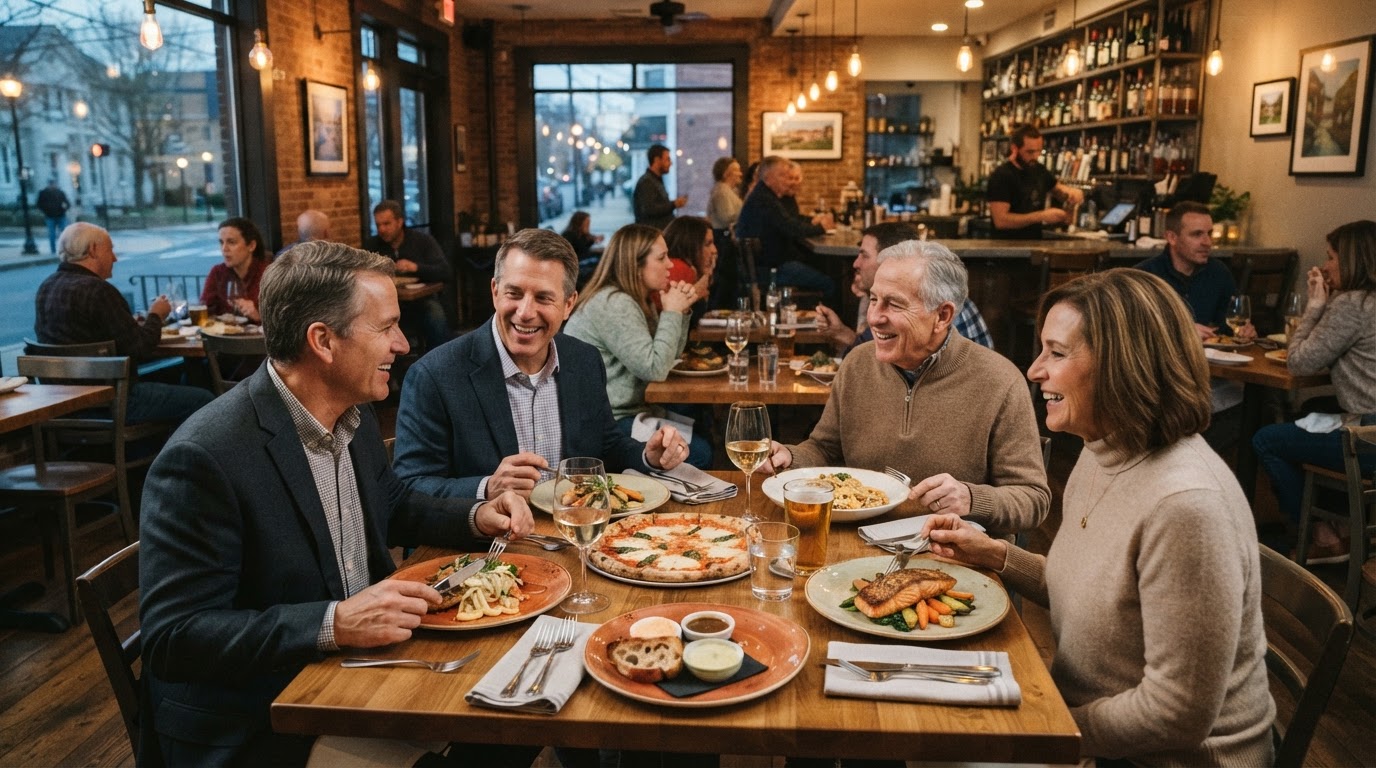
A Tuesday dinner, a Saturday lunch with friends, and an anniversary table can each call for a different kind of restaurant, even in a compact borough. Conshohocken, a small community in Montgomery County along the Schuylkill River, has tavern-style rooms, casual pizza and salad counters, and cocktail-focused bars. The useful question is which one fits the evening you have in mind.
People searching for best restaurants conshohocken usually want to avoid a long wait, a menu that doesn’t suit the group, or a room that feels wrong for the occasion. Since "best" depends on who is eating and why, this guide sorts options by plan rather than issuing a single ranking. It also flags details that change from week to week, such as hours and reservation rules, so you can confirm them before you leave home.
Among the casual options, The Tomato Shack salad & pizza co, Conshohocken is worth checking if you want a lighter, quick-service meal built around salads and pizza. Its location page was not available for this review, so confirm current menu items, pricing, and ordering options directly before you go. Whatever you choose, a five-minute check of the restaurant’s own site or phone line will prevent most surprises.
How to Judge a Restaurant Worth Your Time
Clear criteria make recommendations easier to trust, so this guide weighs five factors:
- Food consistency: Does the kitchen deliver the same dish well on a slow Monday and a busy Saturday?
- Drink program: Is there a considered beverage menu, or a short list that supports the meal?
- Service and hospitality: Do staff explain the menu, handle timing well, and manage waits without confusion?
- Atmosphere: Does the room suit conversation, a quick bite, or a longer evening?
- Value: Does the price match the portion, preparation, and overall experience?
These criteria shift with the occasion. A date night rewards atmosphere and pacing, so a quieter room with a relaxed bar may matter more than the fastest kitchen. A casual weekday lunch depends on speed, clear takeout options, and a menu that works in under an hour. A group dinner needs flexible seating, a menu with options for different appetites, and a reservation process that handles larger parties.
Neighborhood Taverns and Relaxed Dining Rooms
Tavern-style restaurants have become a common model for neighborhood dining: a welcoming bar, a menu that balances familiar dishes with more inventive ones, and a room where regulars and first-time visitors sit side by side. The Daisy Tavern, one of the few local competitor pages that could be reviewed, describes itself as a neighborhood tavern built around "thoughtful food, creative cocktails & genuine hospitality." That self-description points to the kind of place that suits a dinner with friends, a relaxed midweek meal, or a stop before a larger evening.
When evaluating a tavern, look at how the menu is organized. A focused menu with a few well-executed entrées often indicates a kitchen that prioritizes consistency. A very long menu can be a sign of flexibility, but it can also make timing harder during peak hours. Ask staff which dishes they recommend, and listen for specifics. Regulars and servers usually know which items leave the kitchen reliably and which are best ordered at a quieter time.
Creative Drinks and Cocktail-Forward Stops
For cocktail-focused diners, the drink list is often the strongest indicator of how a restaurant thinks about hospitality. Look for a menu that explains its ingredients, offers a range of styles from bright and citrus-forward to spirit-driven and stirred, and changes with the season. A seasonal menu suggests a bar team that is actively developing its program, while a fixed list can still be excellent if it is well made and consistently available.
Decide early whether a place is better for a pre-dinner drink or a full meal. Some bars are designed for a long pour and a shared plate, while others have a kitchen that closes earlier than the bar. In Pennsylvania, restaurants that serve alcohol operate under licenses issued by the Pennsylvania Liquor Control Board, and bar and kitchen hours can differ. Confirm both before planning a multi-stop evening.
Planning Your Visit: Seating, Hours, and Takeout Options
Practical details are often the least organized part of local restaurant guidance, yet they determine whether a plan works. Start with the reservation policy. The Daisy Tavern lists reservations for indoor dining, while outdoor seating is first come, first served. This split is common, and it means a planned outdoor table may involve a wait even when the indoor room is booked.
Hours also vary by day. The same Daisy Tavern listing states that it opens at 11:30 AM Monday through Friday and at 10:00 AM on Saturday and Sunday. Use such listings as a starting point, then verify them, since holiday schedules and seasonal changes can alter service times.
Takeout and delivery options are another point of comparison. Many tavern and casual restaurants offer both, but availability can depend on the day, the platform, or the kitchen’s capacity. If you plan to eat at home, call ahead to confirm pickup times rather than assuming the dining room and takeout counter operate on the same schedule.
Peak waits follow predictable patterns. Weekend evenings, early Friday dinners, and the hour before a local event tend to be the busiest. To shorten a wait, arrive shortly after the restaurant opens for dinner, try an early or late seating, or visit midweek. Outdoor seating also depends on Pennsylvania weather, so plan for rain, heat, or cold snaps by keeping an indoor backup.
Pairing Dinner With Things to Do in Conshohocken
A restaurant visit works best when it fits into a broader plan. Conshohocken’s walkable streets and its position along the Schuylkill River make a half-day or evening itinerary practical. The Schuylkill River Trail runs along the river in the region, offering a flat, paved route for walking or cycling. Before building a plan around it, check current trail access points and parking, since they can change with construction and seasonal conditions.
A sample evening might look like this:
- 5:00 PM: Walk or bike a section of the river trail to reach the restaurant area before the dinner rush.
- 6:30 PM: Reserve a table if the restaurant accepts reservations for the time you want, or arrive early and join a waitlist.
- 8:30 PM: Move to a bar for a nightcap or dessert, or head home if the evening is planned around an early start.
Schedule the walk so it ends at least 30 minutes before your reservation. Traffic, parking searches, and the walk back to the car can add time that is easy to underestimate.
Booking Hard-to-Get Tables and Planning Special-Occasion Meals
Philadelphia’s dining scene is among the most competitive in the region, and some of its most sought-after restaurants book weeks in advance. Conshohocken’s neighborhood restaurants generally operate on a smaller scale, so the reservation pressure is usually lighter, but popular weekend slots can still fill quickly. For a Saturday dinner, book as soon as the restaurant opens its reservation window, and plan a backup time or a midweek alternative.
Waitlists can work well for casual meals. Ask whether the restaurant takes names in person or by phone, and whether it estimates waits. Off-peak slots, including early weeknight seatings and late-evening tables, are often easier to secure and can give you a calmer dining room.
For celebrations, a reservation is usually the safer choice. Call ahead to mention the occasion, request a specific table if the room has a preferred seating area, and ask about private dining if the restaurant offers it. Many tavern-style restaurants host private events for groups, so inquire early if you need a larger space. Confirm any special requests, such as a birthday dessert or dietary accommodations, when you book.
Reservation policies, hours, menus, and availability change frequently. Before publishing a plan or making travel arrangements, confirm each detail directly with the restaurant.