RCS Messaging Features Every Business Should Know in 2025

Your customers are drowning in a sea of boring text messages. While you’re still sending plain SMS, your competitors might already be capturing attention with interactive buttons, high-resolution images, and carousel displays that make their messages impossible to ignore.

The shift to RCS messaging features represents perhaps the biggest change in business messaging since smartphones went mainstream. Think about it – when was the last time a simple text message made you stop scrolling? RCS changes that entirely.

What Makes RCS Different

SMS feels ancient now. You get 160 characters and hope for the best. RCS gives you a canvas instead of a sticky note.

Rich media support means you can send product images that actually look good. Not those pixelated thumbnails that make your brand look cheap. We’re talking about crisp, clear photos that showcase your products the way they deserve.

Interactive buttons eliminate the back-and-forth frustration. Instead of asking customers to reply with “YES” or “NO,” they simply tap a button. One touch. Done.

Read receipts tell you when messages are actually seen, not just delivered. You’ll know if your time-sensitive offers are being ignored or if they’re hitting inboxes at the wrong moment.

The Features That Actually Matter

Suggested replies might seem small, but they’re game-changers for customer service. When someone asks about store hours, RCS can suggest three quick responses. Customers tap once instead of typing. Your response rates will jump.

Carousels let you showcase multiple products without sending separate messages. Imagine scrolling through your latest collection right inside a text conversation. That’s what your customers experience with RCS.

Location sharing becomes effortless. No more copying and pasting addresses or struggling with map links. Customers can share their exact location with one tap.

File sharing gets an upgrade too. Send PDFs, documents, or high-quality images without compression. Your brand guidelines, product manuals, or detailed quotes arrive exactly as intended.

The Reality Check

Not every phone supports RCS yet. That’s the uncomfortable truth. Your message might fall back to basic SMS for some customers. You need to plan for both scenarios.

Carrier support varies wildly. Some networks embrace RCS fully, others drag their feet. This creates an uneven experience that’s frustrating for businesses trying to maintain consistency.

The cost factor sneaks up on many companies. RCS messages typically cost more than SMS. That promotional campaign budget needs adjustment when you factor in the premium pricing.

Why This Matters Now

Customer expectations have shifted. People expect rich, interactive experiences everywhere. Your messaging needs to match the sophistication of your app or website.

Engagement rates tell the story. Companies using RCS report significantly higher click-through rates compared to traditional SMS campaigns. The visual appeal and interactivity simply work better.

Competition is heating up. Early adopters are already using RCS to stand out. Waiting too long means playing catch-up while others capture the advantage of being first.

Making the Switch

Start small. Pick one campaign or customer touchpoint to test RCS features. Learn what works before rolling out company-wide.

Monitor fallback performance. Track how your messages perform when they default to SMS. This data helps you understand your actual reach.

Train your team on the new possibilities. RCS opens doors that many marketing and support teams haven’t considered yet. The learning curve exists, but the payoff justifies the effort.

Your customers are ready for better messaging experiences. The question is whether you’ll give it to them before someone else does.

Featured Image Source: https://plus.unsplash.com/premium_photo-1719839720683-72c8eb65b10a

Inside the Toolbox of a Successful Fractional Chief Marketing Officer

Top fractional chief marketing officers (CMOs) rely on marketing automation platforms, advanced analytics tools, and proven lead scoring systems to drive results. Their strategic approach combines technology with deep market insights to deliver measurable growth for multiple clients simultaneously.

The modern business world has shifted dramatically. Companies need executive-level marketing expertise but cannot always justify a full-time CMO salary. This gap creates an opportunity for experienced marketing leaders who work across multiple organizations.

A Fractional Chief Marketing Officer brings C-suite experience without the full-time commitment. These professionals juggle multiple clients while delivering strategic marketing leadership. They must work faster and smarter than traditional executives.

The success of these marketing leaders depends heavily on their toolkit. The right combination of software, frameworks, and methodologies separates high performers from those who struggle. Understanding their approach helps businesses evaluate potential candidates more effectively.

The Foundation: Strategic Frameworks and Planning Tools

Successful fractional CMOs start with solid strategic foundations. They use proven frameworks to assess market position quickly. Most rely on established methodologies rather than reinventing approaches for each client.

The best ones maintain standardized discovery processes. They can evaluate a company’s marketing maturity within weeks rather than months. This speed comes from having repeatable assessment frameworks that work across industries.

Planning tools become crucial when managing multiple client relationships. Digital project management platforms help track deliverables and deadlines. Cloud-based collaboration tools ensure nothing falls through the cracks during busy periods.

Marketing Automation: The Productivity Multiplier

Marketing automation platforms form the backbone of fractional CMO operations. They appear in most professional toolkits. These systems handle routine tasks while executives focus on strategy.

Email marketing automation saves countless hours across client accounts. Pre-built workflows nurture leads without constant manual intervention. This allows fractional CMOs to maintain consistent communication for multiple companies simultaneously.

Social media scheduling platforms extend this automation further. Buffer, Hootsuite, and Sprout Social manage posting schedules across various client accounts. Content calendars stay organized without requiring constant attention from busy executives.

Analytics and Data Intelligence Platforms

Data drives every decision for successful fractional CMOs. Google Analytics provides basic website insights, but professionals need deeper intelligence. Advanced platforms like Adobe Analytics or Mixpanel offer granular user behavior data.

Business intelligence tools help translate raw data into actionable insights. Tableau and Power BI create visual dashboards that communicate performance clearly. These presentations become essential during monthly client reviews and strategy sessions.

Attribution modeling requires specialized software to track customer journeys accurately. Multi-touch attribution platforms show which marketing channels contribute to conversions. This data guides budget allocation decisions across different marketing initiatives.

Lead Scoring and Customer Relationship Management

Lead scoring systems separate serious prospects from casual browsers. Fractional CMOs implement point-based systems that evaluate prospect behavior automatically. Website visits, content downloads, and email engagement all contribute to lead scores.

Customer relationship management platforms organize prospect information systematically. Salesforce remains the industry standard, though HubSpot CRM offers a good alternative for smaller clients. Integration between CRM and marketing automation creates seamless handoffs to sales teams.

Pipeline management becomes critical when working with multiple client sales teams. Clear lead qualification criteria prevent confusion between marketing and sales departments. Documented processes ensure consistency even when fractional CMOs split time between companies.

Content Management and Creation Tools

Content creation requires scalable systems for fractional marketing executives. Content management platforms organize editorial calendars across multiple client accounts. CoSchedule and Kapost help maintain publishing schedules without missing deadlines.

Design tools enable quick content creation without relying on external agencies. Canva Pro and Adobe Creative Suite handle most graphic design needs. Templates and brand guidelines ensure visual consistency across different marketing materials.

Video content demands specialized tools for efficient production. Loom and Vidyard create professional-looking videos quickly. Screen recording capabilities help fractional CMOs produce training content and client presentations without extensive video editing skills.

Multichannel Campaign Management

Campaign management across multiple channels requires systematic coordination. Fractional CMOs must synchronize messaging across email, social media, paid advertising, and content marketing. Inconsistent messaging dilutes campaign effectiveness and confuses the target audience.

Marketing calendar platforms provide centralized campaign visibility. Teams can see how different marketing activities connect and support each other. This prevents conflicting messages or overwhelming prospects with too many simultaneous touchpoints.

A/B testing tools optimize campaign performance continuously. Split testing email subject lines, ad copy, and landing page elements improves conversion rates over time. Fractional CMOs use these insights to refine messaging for better results.

Financial Tracking and ROI Measurement

Budget management becomes complex when handling multiple client accounts. Expense tracking software separates costs by client and campaign type. This granular tracking supports accurate billing and demonstrates marketing spend accountability.

ROI calculation tools justify marketing investments to client leadership teams. Marketing attribution software connects marketing activities to revenue generation. These reports become essential during budget planning discussions and contract renewals.

Financial dashboards communicate performance in business terms rather than marketing jargon. Revenue per lead, customer acquisition costs, and lifetime value metrics resonate with executive audiences. Clear financial reporting builds trust and supports contract extensions.

Communication and Client Management Systems

Client communication requires structured systems when managing multiple relationships. Video conferencing platforms like Zoom and Microsoft Teams handle regular check-ins and strategy sessions. Recorded meetings create reference materials for future discussions.

Project management tools keep client deliverables organized and visible. Asana, Monday, and Trello track progress on marketing initiatives. Clients can monitor project status without constantly requesting updates from their fractional CMO.

Document sharing platforms centralize important files and brand assets. Google Workspace and Microsoft 365 provide secure collaboration spaces. Version control prevents confusion when multiple team members work on marketing materials simultaneously.

Competitive Intelligence and Market Research

Market research tools help fractional CMOs understand competitive landscapes quickly. SEMrush and Ahrefs provide insights into competitor marketing strategies. This intelligence informs positioning decisions and identifies market opportunities.

Social listening platforms monitor brand mentions and industry conversations. Mention and Brandwatch track what people say about clients and competitors online. This feedback guides content creation and crisis management strategies.

Industry research databases provide market sizing and trend analysis. IBISWorld and Statista offer credible data for strategic planning purposes. These resources support business cases for new marketing initiatives and budget requests.

The Human Element: Soft Skills and Experience

Technology alone does not guarantee fractional CMO success. The best professionals combine technical tools with deep marketing experience. They understand when to trust data and when to rely on intuition developed through years of practice.

Client relationship management requires emotional intelligence beyond software capabilities. Fractional CMOs must navigate different company cultures and personalities quickly. They build trust rapidly while delivering measurable results under tight timelines.

Industry expertise often matters more than generic marketing knowledge. Fractional CMOs who specialize in specific sectors understand those unique challenges and opportunities. This focused experience allows them to implement proven strategies rather than experiment with untested approaches.

Measuring Success: Key Performance Indicators

Successful fractional CMOs focus on metrics that matter to business leaders. Revenue attribution, lead quality scores, and customer acquisition costs directly impact bottom-line performance. Vanity metrics like social media followers receive less attention unless they connect to business outcomes.

Monthly reporting templates standardize performance communication across different clients. Consistent formats make it easier to compare results and identify trends. Visual dashboards communicate complex data in digestible formats for busy executives.

Benchmark comparisons provide context for performance evaluation. Industry averages and historical performance data help set realistic expectations. This context prevents unrealistic demands while highlighting exceptional results when they occur.

Conclusion

The most successful fractional CMOs combine strategic thinking with operational efficiency. Their toolkits reflect this balance between high-level planning and detailed execution. Marketing automation, analytics platforms, and project management systems enable these professionals to deliver executive-level results across multiple client relationships.

The right technology stack multiplies their impact while maintaining quality standards. But tools alone cannot replace experience, intuition, and relationship-building skills that define marketing leadership.

If your company is evaluating fractional CMO candidates, look beyond their resume to understand their operational approach. Ask about their technology stack, reporting methods, and client communication processes. The best candidates will demonstrate systematic approaches that scale across multiple engagements while delivering personalized attention to your specific needs.

Featured Image Source: https://img.freepik.com/free-photo/senior-lecturer-with-arms-crossed-flipchart_1262-1903.jpg


Total Cost of Ownership: A Comprehensive Guide to Value-Based Procurement Decisions

Over the last few decades, the concept of Total Cost of Ownership (TCO) has come a long way in changing how organisations assess procurement decisions. Traditional methods focus on short-term costs, while TCO considers the total cost of acquisition, operation, and maintenance of goods or services over their lifecycle.

By implementing integrated business solutions such as a procurement automation solution with an ERP system, the company can have a holistic view, which helps in making more informed decisions about their procuring and investments and avoid the pitfalls of short-sighted procurement strategies.

Key Components of TCO Analysis

Thorough TCO analysis requires consideration of numerous cost elements beyond the initial purchase price. These typically include acquisition costs, implementation expenses, operational costs, and end-of-life expenses. Integrating and implementing the modern procure to pay solutions,  you have sophisticated tools which help in capturing and analysing these diverse cost categories, enabling procurement teams to build comprehensive TCO models that reflect the true economic impact of their decisions.

The Hidden Costs Often Overlooked

Many procurement decisions fail to account for significant hidden expenses that dramatically impact total ownership costs. Maintenance requirements, energy consumption, staff training needs, and compatibility with existing systems often remain unconsidered during initial purchasing deliberations.

Implementing TCO Methodology

Successful TCO implementation hinges on establishing an analytic framework that procurement teams can consistently apply across all purchasing categories. The aspects which need to be standardised should include the definition of specific cost categories, the methodologies for the costs to be calculated and the method for assessment, based on the needs of the organisation.

Data Collection Strategies

One of the greatest challenges in TCO implementation is gathering comprehensive cost data. Organisations need to build structured approaches to gather information about past expenditure, supplier predictions, industry standards and internal cost drivers.

Risk Assessment Within TCO Frameworks

Comprehensive TCO analysis must incorporate risk factors that might affect future costs. Supplier financial stability, market volatility, regulatory changes, and technology evolution all present potential cost implications that prudent procurement professionals must consider.

TCO Application Across Different Categories

The practical application of TCO varies significantly across different purchasing categories. Capital equipment requires long-term maintenance considerations and end-of-life costs. IT systems demand careful analysis of integration, support, and upgrade requirements.

Supplier Collaboration in TCO Optimisation

Progressive procurement teams engage suppliers as partners in TCO optimisation rather than adversaries in price negotiations. This collaborative approach involves transparent discussions about lifecycle costs and joint identification of efficiency opportunities.

Change Management for Implementation

Shifting organisational thinking from purchase price to total cost requires deliberate change in management efforts. Procurement leaders must educate stakeholders about TCO benefits, demonstrate early successes, and address resistance to this more comprehensive approach.

Building TCO Expertise

Developing procurement team capabilities around TCO analysis requires targeted training and experience. Team members must understand financial concepts, category-specific cost drivers, data analysis techniques, and effective communication of complex cost comparisons.

Case Examples of TCO Benefits

Manufacturing organisations have achieved substantial savings by selecting equipment with higher upfront costs but lower energy consumption and maintenance requirements. Healthcare institutions have improved financial performance by considering patient throughput implications of different technology options.

Conclusion

Total Cost of Ownership methodology is one of the simplest yet profound shifts in procurement mindset that, when applied with the right context, provides tremendous value for the longer term. This lifecycle approach, which ensures all procurement-related costs are identified, quantifiable, and evaluated, enables organisations to make better-informed decisions.

There are the existence of challenges, both in terms of collecting comprehensive data and changing entrenched behavior, which are often rooted in price. However, the strategic upside to TCO analysis makes the pursuit of this as an effort to drive future procurement excellence a worthy investment.

Featured Image Source: https://img.freepik.com/free-photo/businesswoman-company-office-checking-finaicial-statistics_482257-4139.jpg

Five Key Factors to Consider When Choosing a PLC Programmer

A PLC (programmable logic controller) programmer specializes in designing, programming, and maintaining industrial automation control systems. They work with PLCs to control machinery, production lines, and various automated processes, ensuring optimal performance, troubleshooting issues, and ensuring smooth operation across manufacturing environments.

When selecting a PLC programmer for your automation projects, making the right choice can significantly impact your operational efficiency, quality, and success. PLC programmers are essential for designing and implementing control systems for industrial processes, and choosing the right one requires careful consideration. Below are five key factors to consider when selecting a PLC programmer.

1. Experience and Expertise

The experience of a PLC programmer plays a pivotal role in ensuring a successful project. Look for a programmer with hands-on experience in the specific automation system you use. Whether it’s Allen-Bradley, Siemens, or any other PLC brand, the programmer should know your system’s protocols and programming languages well. A programmer with relevant experience will be more efficient at troubleshooting, optimizing programs, and handling complex tasks that may arise during development.

2. Knowledge of Your Industry

PLC programmers come from a wide range of industries, so choosing one with knowledge of your specific industry requirements is crucial. For example, a programmer with experience in manufacturing automation may not have the same depth of understanding of the oil and gas sector. The more familiar the programmer is with your industry, the better they will be at anticipating your needs and providing solutions tailored to your operational challenges.

3. Communication and Collaboration Skills

Effective communication is key to any successful project. Since PLC programming often involves collaborating with engineers, system designers, and operators, choosing a programmer who can clearly explain technical details and collaborate effectively is essential. They should be able to break down complex concepts in a way that non-technical team members can understand. Strong communication skills help ensure that the programming aligns with your operational goals and that any challenges are swiftly addressed.

4. Technical Proficiency and Troubleshooting Ability

In addition to programming, a good PLC programmer must be skilled in areas of troubleshooting and problem-solving. A major part of automation systems involves responding to issues quickly and ensuring minimal downtime. The programmer you choose should be adept at identifying faults and correcting errors in a PLC control system. Their technical proficiency ensures that any malfunctioning parts are diagnosed correctly and fixed promptly to maintain the continuity of your operations.

5. Cost and Project Timelines

While you should never compromise quality for price, discussing cost and timelines upfront is essential. Depending on the project’s scope, the cost of hiring a PLC programmer can vary greatly. Be sure to establish clear project timelines to avoid unexpected delays. A reliable PLC programmer will provide a realistic estimate, ensuring that both budget and deadlines are respected. Always consider the long-term value of the programmer’s work rather than focusing solely on initial costs.

Conclusion

Choosing the right PLC programmer can have a lasting impact on the performance of your automation systems. By focusing on the programmer’s experience, industry knowledge, communication skills, and technical ability and the project’s cost, you can ensure that your control systems are optimized for efficiency and reliability. Make a thoughtful decision to achieve the best results for your business.

Featured Image Source: https://pacificblueengineering.com/wp-content/uploads/2024/01/Essential-Truths-About-PLC-Programming.jpg

Effective Video Marketing Strategies for Maximum Impact

Video marketing is one of the best ways that businesses can interact with their audiences in the digital age. A video production company is necessary when it comes to producing excellent, compelling content that produces results. Whether it’s making visually appealing videos or coordinating them with your marketing goals, their skills may help improve your efforts.

Adding video production to your marketing strategy can alter the way your business communicates with customers. Videos are a dynamic way of communicating messages, whether it is a short social media clip or a long commercial. The key is to deliver personalised content that resonates with your audience and furthers your corporate goals. Hiring video production in Peterborough will help you with the conceptualisation of actual video as per your company marketing goals.

By teaming up with video production in the East Midlands, businesses can ensure quality and consistency in their advertisements and plan campaigns accordingly. The video production company offers video content which can be used across various channels for varied purposes. Video content can be used for generating maximum customer reach, increasing customer engagement, and resonating better with your customers, or for branding purposes etc. These videos can be put across various channels online and traditional mediums such as television.

Leveraging Social Media for Video Marketing

The basis of video marketing is social media networking sites. There are so many options or channels to share short, powerful and relatable videos across platforms like YouTube, Instagram, Facebook and TikTok. Shorts, reels, live sessions, and engaging stories on these platforms can all help to increase brand awareness and client loyalty for your business. Posting regularly and offering interactive content is essential for keeping the audience engaged.

Professional video production companies help you to create and improve these video content posts, by making them visually appealing, shareable and high-quality content. High-quality videos are important as they help to ensure a better return on investment (ROI), create a lasting impression, and dramatically boost engagement rates.

Enhancing Websites with Video Content

Use the videos as much as you can for the websites. Engaging video will keep the visitor on your site longer. Use it on the website’s homepage. Video can be made about explaining your company’s brand, product or service. Video content for the website can be explainer films, customer testimonials, etc. The video content helps customers to understand better, and this can help to increase trust towards your company.  

The video production company will ensure that the video content created is properly optimised such that it can help improve the website’s SEO ranking. But more importantly it will be optimized to ensure it loads quickly.

Driving Advertising Success with Videos

Video advertising is an effective way to reach maximum audiences. Video Ads can be used on Google Ads, Social Media networking sites, or television. It is an excellent means for reaching target audiences. Short and engaging ads are vital as they capture attention quickly.  The video production company will create ads which are of high quality and tailored as per the platform you want to run the campaign on.

Why Video Marketing Company Services are Essential

A professional video marketing company that is reliable and has expert knowledge provides innovation in video marketing. They run every step of the process, right from ideation to production, to editing, to ensure the video content product fulfills all the industry as well as marketing demands. They will be a big asset to your marketing because of their expertise in analysing consumer behaviour and trends.

Conclusion

Now, videos are a must in any kind of marketing campaign; they are no longer an alternative means but an essential tool for customer engagement. You can build a cohesive and engaging strategy that generates results through mediums like websites, e-mail, social media, and advertising. Video production company ensures you give your audience the best content. If you use the right strategies and get professional help, then, indeed, your video marketing efforts will surely pay off.

Featured Image Source: https://ucdc86a7ee15bbbfa5909ea42177.previews.dropboxusercontent.com/p/thumb/ACgHaN4a5TmXToSOmhJp5SG_yqzZtiVExiTuuX06-jjzU3_je1vE1X–_7hRvjn9rnF2b2gggPhPwZGBB69tU44yfbM7CobXlK8iKcRQhR7QJsTW7n73U9pq7ToUnt7ZhxOnowW311eT8FiZuA-OTtvq93gI0A6cWBHn2T7QYrNhnXWPa3HWKCbhTQNhr6Mp7mSRjQU4ci5y8erJ39NRIbKGOABzvfrjkdVfdUHIzWJXpyW1qUX7VoNlgAlfDMO2FPYWjacaJOPsJXoGiML3XQmabSU16OBkjehC-E2jk_Ks3KMQtPBGQ0qmXLtOrHPEE9vphjeHe2fEJ5zWLAxdQyDE-0-acPmSc_D_LJZDTcW23w/p.jpeg

ERP Consultant for Manufacturing: It is a Strategic Asset for Operational Excellence

Operational efficiency, resource optimization and scalability are essential to success in the manufacturing sector. But, controlling these factors is difficult, particularly for those businesses that have a dependence on relic systems, or those that employ manual, antiquated procedures. This is where an ERP consultant for manufacturing comes in. These experts, armed with Enterprise Resource Planning (ERP) systems, assist manufacturers in streamlining and cutting inefficiencies and help manufacturers grow and stand firm.

The Role of an ERP Consultant in Manufacturing

An ERP consultant for manufacturing is someone who implements and optimizes ERP systems specific to the industry according to constant changes taking place in the manufacturing sector. The manufacturing processes include things such as production planning, supply chain management, quality control and inventory tracking. A consultant makes sure these functions are seamlessly integrated into a single ERP system that offers real time visibility and control.

The first step of the consultant’s role is to analyze the business’s existing processes in detail. They help in identifying inefficiencies, pinpoint a bottleneck and plan for the deployment of an ERP solution fitting in with the organization goals. ERP consultants configure modules to schedule production, or integrate advanced analytics tools, to suit the needs of a manufacturer.

Key Benefits of an ERP Consultant for Manufacturing

  1. Streamlined Operations
    ERP consultants make complex manufacturing workflows easy by integrating different functions on one platform. With this integration, you eliminate redundancy, reduce manual errors and ensure that all processes go well from procurement to production then to distribution.
  2. Improved Production Planning
    For deadline and product quality, effective production planning is a must. ERP consultants help manufacturers make use of ERP tools to accurately forecast demand, allocate resources and schedule production, all of which results in optimized operations.
  3. Real-Time Data Visibility
    For example, in the retail space, today’s ERP systems give you real time access to critical data such as inventory levels and machine performance metrics. Dashboards and reporting tools are configured by ERP consultant for Retail, providing managers with the ability to make data driven decisions, increasing efficiency and decreasing downtime.
  4. Enhanced Supply Chain Management
    Manufacturers face a huge challenge in managing a global supply chain. ERP consultants create solutions that offer end to end visibility of the supply chain, allowing businesses to monitor supplier performance, track shipments and reduce disruptions.
  5. Compliance and Quality Control
    In manufacturing, regulatory compliance and product quality are non negotiable. Systems are implemented by ERP consultants that automate compliance reporting and set quality control protocols that must be adhered to industry standards.
  6. Scalability and Future-Readiness
    When businesses grow, their operational needs change. ERP consultants will guarantee the system is scalable so manufacturers can easily add new production lines, offer new markets, or incorporate new technologies.

Choosing the Right ERP Consultant

Choosing the right ERP consultant for manufacturing is key to a successful implementation. Now, look for consultants that have track record as well as expertise in the manufacturing industry and successful experience in accomplishing ERP initiatives around SAP, Oracle NetSuite or Microsoft Dynamics 365. Project management skills are also a very important quality and thorough knowledge of manufacturing workflows is a must.

In addition, think about the consultant’s capacity to offer the sort of ongoing support and training that you likely will use as your learning evolves. ERP implementation is not a one time process, it needs to be updated, optimized and users need to be trained to get the most out of it.

Conclusion

The right technology is a must in the world of manufacturing, and it is a must to stay ahead. An ERP consultant for manufacturing is a strategic partner who helps businesses navigate the intricacies of ERP implementation and guarantees the system provides real results. ERP consultants enable manufacturers to become more agile, more productive and more profitable through the integration of core processes, increased data visibility, and improved operational efficiency. Working with an experienced ERP consultant isn’t just a smart investment, it’s a step towards long term success in an ever changing industry.

Featured Image Source: https://img.freepik.com/free-vector/hand-drawn-flat-design-erp-illustration_23-2149379505.jpg

How Composite Hoses and Camlock Couplings Improve Safety in Chemical Handling?

Chemical handling represents high risk when dealing with any hazardous or corrosive material involved. In fact, risks related to safety in the whole transfer process need to be prevented by avoiding leaks, spills, and accidents that may harm laborers, cause damage to environmental systems, or lead to expensive cleanup operations. Enhanced safety within chemical handling system components like composite hoses as well as camlock couplings significantly reduces risk factors and enhances containment while always complying with industry standards.

Composite Hoses

Composite hoses are engineered to safely transfer a variety of chemicals and liquids. Among the many types of hoses available, composite hoses feature an astonishingly tough construction. The cross section of virtually any composite hose consists of a thermoplastic inner liner, several layers of reinforcing fabric, and a tough outer layer.

These multilayer construction composite hoses have high hydrocarbon and chemical resistance while also maintaining good strength and flexibility as well as abrasion resistance. The rigidity of composite hoses also ensures that they can take normal movement and bending during operation without sustaining any damage.

The Use of Camlock Couplings in Fluid Transfer

Camlock couplings are widely used in fluid transfer systems due to their ease of use and because of the secure and tight seal connection, ensuring the system is leak resistant. Based on the cam lever locking mechanism, these couplings lock two components into position, thus ensuring an exceptionally tight seal to avoid spills or leaks. The simple design easily allows for fast connections and disconnections without compromising safety, especially within time-sensitive environments.

Reduction of Risk Factors with Composite Hoses and Camlock Couplings

In chemical handling, a leakage or spillage is considered to be the most common and serious occurrence. Unintentional loss of any chemical through spillage leads to pollution and toxic exposure which is unintentional. To avoid such accidents, composite hoses are designed with a reinforced structure and enhanced permeation resistance. Such details in using camlock couplings minimize spills even further.

Camlock coupling ensures a secure connection that will prevent accidental disconnections resulting in hazardous material leaks; hence, the transfer is smooth and safe. Compressing hoses and camlock couplings can resist pressure with a high fluid pressure. Therefore, these parts play important roles in many industrial activities since they help minimize potential dangers from high-pressure fluids. The parts enhance tighter sealage and lower breaks of hoses.

Enhanced Containment and Spillage Control

Composite hoses are much more effective in containment features, especially in hazardous chemical transfers. Its construction not only prevents leakage but also the evaporation of volatile substances that can be severe hazards for health and safety. These are used with camlock couplings, again creating a complete seal and protecting the operation being performed.

In Conclusion

Composite hoses, couplings and camlock couplings integrated into the chemical transfer systems are important parts that improve safety to a substantial level through risk, containment and hazardous spills prevention. These are strong, flexible, and easy to use and should be exposed to the challenges of dealing with corrosive and hazardous chemicals. With the adoption of quality hoses and couplings, industries will improve safety, protect the workers, and ensure strict regulatory compliance, thus making the workplace safer and decreasing accidents and environmental impact.

Featured Image Source: https://www.jreltd.com/images/composite/pic3.jpg

Contractor Success and the Use of Spray Foam Machines

Spray foam machines are essential for insulation contractors because they are efficient, accurate, and flexible. Some of the important parameters are output capacity, temperature control, and safety. Utilization of quality equipment enhances the quality of projects, productivity, and competitiveness, which are key determinants of sustainable business growth.

Insulation contractors, in particular, understand the importance of having the right tools to deliver quality services. Spray foam machines and spray insulation machines are not only tools, but they are also the basis of modern insulation systems. They allow contractors to provide energy-efficient solutions for residential, commercial, and industrial projects, improving project results and customer satisfaction.

Why Are Spray Foam Machines Important to Contractors?

A spray foam machine is a sophisticated piece of equipment designed to apply spray foam insulation by mixing and heating two chemical components: isocyanate and polyol resin. These components combine to produce foam that hardens when applied and has good insulating properties despite being in a foam state.

Why Every Insulation Contractor Needs a Reliable Spray Insulation Machine

Efficiency and Speed

Spray foam is easy to apply due to the ease of use of the machines used in its application, reducing the time to complete the job, hence increasing the number of projects done by contractors. This is particularly true for large-scale commercial projects where time is of the essence for project delivery.

Precision in Application

Contractors can spray foam with precision when using high-quality equipment, which means that wastage and uneven application of foam is kept to a minimum. This is important to optimize the performance of the insulation and to meet set building standards.

Versatility

Modern-generations spray foam machines are designed to operate with both open-cell and closed-cell spray foam. This flexibility allows contractors to engage in a wide variety of projects, from sealing small cracks to encapsulating entire structures.

What to Look for in Spray Foam Machines

You should understand the factors that determine the success of a spray insulation machine. Here are some critical elements to consider:

Output Capacity

The output capacity of a machine determines the amount of foam that the machine can produce in one minute. High output machines are ideal for large projects while low output machines are ideal for small projects.

Temperature Control

Temperature control is critical to get the chemical reactions right and to achieve the right texture of foam. Select machines with the best temperature control to ensure you get the best results in spraying.

Ease of Maintenance

When equipment is not functioning or requires servicing, you incur costs. Choose a machine that is easy to clean and service so that your projects are not delayed.

Portability

Depending on the type of projects you handle, you may need a machine that is portable. Mobile spray foam machines are ideal for contractors who expect to move from one job site to another.

Safety Features

Liquids and gases under pressure are hazardous and therefore require personal protection. Select machines that have characteristics such as an emergency stop button and pressure limit signal.

Pros of Investing in a Reputable Spray Insulation Machine

A high-quality spray foam machine not only improves the insulation process but also improves your performance as a contractor. Here’s how:

Improved Project Quality

A good machine will apply foam uniformly, which improves insulation quality, resulting in happy clients and more business.

Increased Productivity

Fast machines reduce the amount of time taken to complete each task, which means that you can complete more tasks and earn more.

Cost Savings

While it may be expensive to buy a quality machine at the initial stages, the money spent on repairing the machine frequently, constant maintenance, and material wasted will be greatly compensated in the long run.

Competitive Advantage

In any market, it is always a plus to be able to provide better services than your competitors. A reliable machine helps you fulfill the requirements of quality and quantity.

Selecting the Right Spray Foam Machine for Sale

While searching for a spray foam machine for sale, you should work with reliable manufacturers that offer different models and services. Here are some tips to ensure you make the right purchase:

Research and Reviews

Look for machine brands used by other contractors. Information from the real world can be helpful in evaluating the performance and reliability of the product.

Consider New vs. Used

If budget is a problem, you can choose to purchase a used spray foam machine. Just make sure that it has fulfilled its warranty requirements and has a maintenance record of usage.

Training and Support

Some suppliers offer training on how to get the best out of your new equipment. Customer support and spare parts are also significant factors for the continuous operation of the business.

Financing Options

The initial cost may be relatively steep, although most suppliers will help you with financing. This can be especially helpful for small contractors or those who are growing their company.

Final Thoughts

For you as a contractor, the decision to select the right spray foam machine is one of the best decisions you will ever make. A good machine enhances the productivity and quality of your work, the brand of your business, and its profitability. Whether you are insulating residential, commercial, or industrial buildings, a good spray insulation machine is crucial for doing a good job and growing your business.

Featured Image Source: https://img.freepik.com/free-photo/side-view-man-spraying-powder-paint-from-gun_23-2149878778.jpg

Common Mistakes to Avoid When Building Business Credit

Avoiding common pitfalls like neglecting business credit bureaus, not keeping personal and business finances separate, and overlooking relationships with business credit vendors can impact your business credit score. Consistent and responsible practices can help businesses ensure success when seeking access to financing.

Establishing good business credit is a prerequisite to long-term survival and financial stability. Business owners, however, often make mistakes that present setbacks to their businesses. Here are common pitfalls to consider in setting up your business credit profile, allowing you to avoid falling into these traps, thereby positioning your business for success.

Ignoring Business Credit Bureaus

One key oversight is that people ignore business credit bureaus. Similar to personal credit bureaus, which report on an individual’s credit history, business credit bureaus track and file business credit health. Avoiding such agencies can be risky because they are the ones reporting your business credit scores.

Regularly check up on your reports through bureaus such as Dun & Bradstreet, Experian, and Equifax to make sure your credit profile reflects your payment history and financial behavior.

Overlooking Business Credit Vendors

Another common mistake is failing to set up credit relationships with business credit vendors. Most business credit vendors provide short-term credit to businesses, which is a good avenue for establishing credit if managed properly.

When you pay vendors on time, you create a positive credit history that vendors report to credit bureaus. This history has a big impact on raising your creditworthiness. Create a good history by finding suppliers who report payments to business credit bureaus and be consistent with payments.

Mixing Personal and Business Finances 

The overutilization of combined personal and business finances will ultimately damage both your personal credit and business credit. You must separate all bank accounts, including lines of credit, for your business. This makes your business stand by itself, so you can monitor its expenses accordingly. It further heightens the legitimacy of your business in the eyes of lenders and credit bureaus.

Missing Payment Deadlines

Late or missed payments damage business credit. They diminish your credit score, which makes getting good funding terms more difficult in the future. Set up reminders or automate payments so that all payment deadlines are met. Timely and consistent payments are among the quickest ways to create a good credit history.

Applying for Too Many Accounts at Once

Applying for several credit accounts in a short time can be considered something for which credit bureaus and lenders raise red flags. This may indicate instability in your finances and might hurt your business credit score.

Credit applications should be restricted to essential accounts, and you need to maintain those relationships. Opening lines of credit gradually over time tells a story of stability and builds a good foundation for credit.

Neglecting to Monitor Credit Reports Regularly

Most business owners hardly ever check their credit reports, thus allowing errors or inaccuracies to creep in, which may be harmful to their credit score. Their reports from all three major business credit bureaus should be checked regularly to correct mistakes in time.

In case of erroneous information, it should be reported immediately for correction so that these mistakes do not take a toll on creditworthiness.

Failing to Build Trade Credit

Trade credit can significantly boost your business credit score by establishing solid relationships with suppliers. Start with small purchases and ensure on-time payment. Over time, you may qualify for more comprehensive terms based on a reputation of reliability, and these transactions strengthen your business credit profile. Many suppliers report these transactions to the credit bureaus, which further enhances your credit rating. 

Conclusion

Building business credit is serious business. Attention to detail and responsible financial practices can save you from the common mistakes listed above. For a business, having a solid credit foundation offers breathing room regarding securing financing and facilitating growth for your enterprise.

Featured Image Source: https://img.freepik.com/free-photo/credit-check-financial-banking-economy-concept_53876-139723.jpg?ga=GA1.1.895991765.1725340907&semt=ais_hybrid

Types of Fasteners Available in the Market – Complete Analysis

The unsung heroes of countless industries are fasteners as they play a key role in holding structures together. Fasteners keep things stable, make things durable, and ensure things work as they should.

Although they may seem simple in function, fasteners are available in a wide variety that are used in diverse applications. This blog debunks the major categories of fasteners, their uses, and what makes them different from each other.

1. Bolts and Screws

Fasteners that are the most commonly used are bolts, screws, etc. Though they seem the same, their functions are slightly different. Screws however are made to thread directly into materials, whereas bolts usually need a nut to secure an object. There are numerous variations of both, including hex bolts, carriage bolts, wood screws, and machine screws.

Bolts are used for structural applications, while screws are dominate the woodworking, metalworking, and even a DIY project. Traditionally, these fasteners are made of steel, stainless steel, brass, or aluminum, with a good strength and corrosion resistance balance. Be sure to seek assistance from premium fastener suppliers to learn more.

2. Nuts

Nuts act as a perfect partner to bold, enhancing the overall strength of the structure. They are available in diverse shapes and sizes such as hex nuts, lock nuts, and wing nuts. In the automotive industry, lock nuts are designed to prevent loosening from vibration and are implemented in dynamic industrial applications. Conventionally, fastener suppliers in India offer nuts that are used together to assemble heavy machinery, furniture, and infrastructure components.

3. Washers

Washers are small, thin discs that are inserted between the head of a bolt or screw, and the surface to which the bolt or screw is being attached. They help spread the load evenly, reduce friction, and prevent damage to the surface. Some of the most popular washer types include lock washers, flat washers, and fender washers. These fasteners are fundamentally used in mechanical plumbing and automotive applications.

4. Rivets

Rivets are permanent fasteners and are perfect for applications such as those where dismantling is not required. The first one is comprised of a smooth cylindrical shaft with a head at one end. After installation, the rivet’s tail is deformed to help keep it in place. Rivet fasteners are commonly in the aerospace, automotive, and construction industries. These fasteners are lightweight, durable, and vibration-resistant.

5. Anchors

Anchors are precisely designed to act as a strong fastening solution for materials such as concrete, brick, or drywall. In heavy-duty applications, they are essential as they expand in the material creating a secure hold. Wedge anchors, sleeve anchors, and toggle bolts are common varieties of Anchor fasteners. These fasteners have a head that is ideal for securing shelves and heavy machinery.

Final Overview

Small as they may be, fasteners have an enormous influence on the integrity and safety of structures. There are thousands of fastener options available from bolts and screws, to rivets and anchors, and the right fastener is critical to long-term stability and performance. By understanding the types of fasteners and how their uses, you can make informed decisions that ensure the quality and longevity of your projects.

Featured Image Source: https://pixabay.com/photos/industry-bolt-fastener-screw-steel-3075420

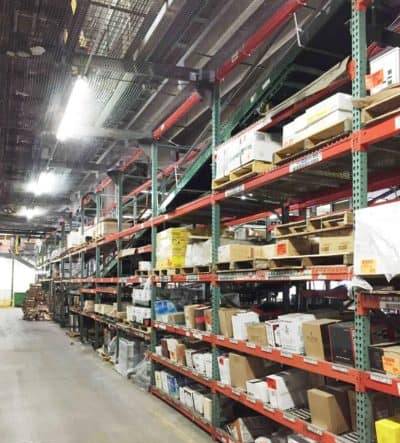
The Key Principles of Effective Warehouse Design

Good warehouse design can make or break your operations. It’s about more than just fitting shelves and racks into a space. A well-thought-out warehouse plan can save you time, reduce costs, and make everything flow smoother. Let’s break it down.

Maximizing Space—No Wasted Square Footage

Think about space as your most valuable resource. Every inch matters. So, how do you get the most out of your space? Vertical storage is key. Use shelves and warehouse racking for sale that will allow you to stack items. If you’re looking for warehouse racking for sale, make sure it’s adjustable. Flexible racking means you can store more without expanding your building. The goal is to make sure you’re not wasting floor space.

But here’s the thing: it’s not just about cramming in as much as possible. You still need to be able to get to everything easily. Storing bulky items up high and frequently accessed goods at eye level or near packing areas makes a huge difference. Space optimization in your warehouse plan is about balance—not just filling the warehouse, but doing it smartly.

Smooth Flow—No Stops, No Delays

How do things move through your warehouse? From receiving goods to getting them packed and shipped, everything should flow naturally. Picture it like a smooth conveyor belt (even if you don’t have one!). Goods should move from point A to B without unnecessary stops. Avoid having too many places where items get stuck or have to be handled more than once.

When setting up your warehouse, think about where things come in and where they go out. Don’t make workers walk all over just to get one box. The quicker they can get the product out the door, the better for everyone.

What About Organization?

Organizing your racking systems clearly means workers can quickly find what they need. You don’t want them to spend hours searching for a pallet of goods that’s stuck somewhere in the back. Clear labels and smart organization go a long way. Having fast access to your inventory means fewer mistakes and less downtime.

Keep It Simple and Safe

At the end of the day, warehouse design is about making the job easier and safer for everyone. Safety shouldn’t be an afterthought. It’s not that hard to make sure your warehouse is safe and easy to navigate. Just keep things simple: make sure the walkways are clear, the lighting is good, and the workstations are comfortable. Bright lights, open aisles, and safety barriers in busy spots are small touches that make a big difference.

In Closing

Good warehouse design isn’t just about drawing a floor plan. It’s about creating a space that works for everyone—your team, your equipment, and your inventory. If you maximize the space you have, make your workflow as smooth as possible, and invest in the right tools, you set your warehouse up for success.

If you’re looking for warehouse racking for sale or other storage solutions, think about your needs carefully. What kind of products do you store? How much space do you need to access quickly? Make sure your design and your tools support each other. When everything clicks, the whole operation becomes faster and more efficient.

Featured image Source: https://conesco.com/wp-content/uploads/2019/10/Teardrop-Rack-and-C-Flow-400×516.jpg

Comparing Dry Break Couplings and Traditional Camlock Couplings: Key Differences and Benefits

Choosing the right coupling system for fluid handling makes all the difference in the efficiency of operations, whether you’re in a factory, a processing plant, or out in the field. Dry break couplings and camlock couplings are both popular choices, each with its own set of strengths. So, how do you choose from them? Let’s go through the basics to help you find the best match.

Dry Break Couplings: Built for Safety

Dry break couplings are designed specifically to prevent spills like these. They have a self-sealing valve that locks fluids in tightly during both connection and disconnection, cutting down exposure to any potentially harmful substances. These couplings go beyond just environmental safety. They also help keep workers safe by preventing exposure, and they often help companies meet the required safety regulations.

However, these safety measures come at a price. Dry break couplings are more complex and, consequently, more expensive than their camlock counterparts. And because they use more components to seal effectively, they usually need regular maintenance to ensure everything is functioning properly.

Traditional Camlock Couplings: Quick, Simple, and Budget-Friendly

If your work involves less hazardous materials, camlock couplings might be all you need. Unlike dry break couplings, camlocks don’t automatically seal, so there may be a bit of spillage when you disconnect. But for jobs like water transfer, agriculture, or firefighting, that’s usually no big deal. Camlocks use a straightforward locking arm system that’s fast and easy to use. This makes them perfect for setups where you need to connect and disconnect frequently without much fuss.

Head-to-Head: What Sets These Couplings Apart?

Here’s a look at the big differences to help you see where each coupling shines:

  • Safety and Spillage

If safety’s a top priority, then dry break couplings come out on top. They automatically seal on being disconnected, reducing the risk of leaks or spills. Camlocks, while secure, don’t have this self-sealing feature and can allow a bit of spillage during disconnect.

  • Ease of Use

Camlocks keep things quick and easy with their simple locking arms. They’re straightforward, perfect for fast connections, and don’t require much extra handling. They’re a great choice for high-frequency connections and disconnects. Dry breaks, though slightly slower, add peace of mind with spill control.

  • Maintenance

Dry breaks require more upkeep due to their sealing technology. Camlocks, being simpler, need less frequent maintenance, which is often convenient for operations without specialised maintenance teams.

  • Cost Consideration

Dry break couplings tend to be a bit more expensive, but that’s because they offer extra safety features to give you peace of mind. On the other hand, camlocks are a more budget-friendly option and are often a great choice for less critical applications.

Final Thoughts

Choosing between the two depends on your needs. If you’re working with hazardous or valuable liquids, investing in dry break couplings could be the right decision to ensure safety and reliability. They help contain spills and make operations safer. But if you need speed and simplicity for general-purpose applications, camlocks are hard to beat. They’re affordable, durable, and widely compatible.

The best coupling is the one that meets your operation’s demands. Think about what matters most: safety, speed, maintenance, and cost. From there, you’ll have a clearer idea of which coupling is your perfect match.

Featured Image Source: https://www.jreltd.com/images/dry-break-coupling/1.jpg

Top Tourist Attractions in The North-Eastern Region of India

Rolling hills, bubbling rivers, and Green valleys are what define the Northeast states of India. The states of Arunachal Pradesh, Meghalaya, Manipur, Tripura, Assam, Mizoram, and Nagaland are known for their cultural diversity and heritage. These states are popular among tourists for spotting wild animals, trekking routes, ancient temples, and monasteries. So, if a Northeastern tour has been on your bucket list for a long time and you have finally found the best tour and travel company in India for your trip, here are some of the top tourist places to visit.

Cherrapunji

Famed as the second wettest place in India, Cherrapunji receives an average rainfall of 11,777 mm annually. It is known for natural wonders like the Living Root Bridges made from rubber trees and the majestic Nohkalikai Falls that offers a view of seven multiple streams gushing down a cliff. The best tour and travel company in India will also include Thangkharang National Park and Nortek National Park which are natural gems where you encounter the Red Panda along with some of the rare species of flora and fauna.

Kaziranga

Kaziranga National Park is one of the most famous attractions in North-East India. Known for its wildlife and conservation of endangered species, the national park is spread over a vast area along the banks of River Brahmaputra. Its wetlands and grasslands are home to tigers, elephants, and one-horned rhinos. The sanctuary also has an abundance of swamp deer and wild water buffaloes. You can take a jeep or even an elephant safari around the national park. Kaziranga National Park is a UNESCO World Heritage Site.

Lachung

This is one of the most beautiful places to visit in North East India. Lachung is a small village town atop the mountains close to the border between Sikkim and Tibet. The village is home to a famous monastery from the 19th century encircled by beautiful apple orchards. Shingba Rhododendron Sanctuary is another major attraction near the Yumthang Valley that protects various species of rhododendron plants. Also called the ‘zero point,’ Yumthang Valley is known for its hot springs, waterfalls, and dense pine forests. Lachung definitely deserves to be included in the best domestic tour packages.

Tawang

Tawang is situated in Arunachal Pradesh at an elevation of 2669m to the East of Bhutan. It is one of the top holiday destinations in the NorthEast region. Best known for its 400-year-old Buddhist monastery, Tawang attracts a huge number of local devotees and tourists. It also boasts unparalleled scenic beauty along with other attractions like Gorichen Peak, Sela Pass, and Taktsang Gompa which will be included in the best domestic tour packages.

Majuli

This village is often considered to be the cultural capital of Assam. Majuli is the largest river island in the world, and it is inhabited mostly by tribals who follow a unique lifestyle. Its lush greenery and pristine waters make it a popular choice among tourists visiting Northeast India, and it is one of the most preferred long weekend destinations in the East.

To Conclude

Now that you have the list of the best places to visit in North East India, pack your bags and go on your trip to the most beautiful yet underrated and unexplored region of our country.

Featured Image Source: https://www.shutterstock.com/image-photo/shillong-meghalaya-0721-beautiful-nohkalikai-fall-2270711615

Understanding Termination of Contractor Agreements

Terminating a contractor agreement can trigger legal redress and complications. To avoid disputes, both parties must understand what makes a contractor and an employee and their rights once terminated.

Contractor Rights and Employee Rights

You should have a clear idea of contractor and employee rights. In particular, contractors in cities like Toronto may not have the same rights as employees. Several employment laws protect employees, but the terms of a contractor’s agreement typically bind them. However, these terms should align with fair practices, especially when contractors can be referred to as dependent contractors.

In such cases, their termination rights might be much closer to those of employees. Getting the help of an employment lawyer in Toronto is often vital to avoid disputes and ensure clarity.

What’s the Difference Between Independent and Dependent Contractors?

Independent contractors operate independently without supervision and use their equipment to serve many clients. However, dependent contractors rely on a single entity for income and often work on long-term contracts.

The latter group may receive protections analogous to those afforded to employees. This distinction is essential because, on termination, a dependent contractor may have more rights than an independent contractor regarding reasonable notice and severance.

Do Contractors Have the Right to Reasonable Notice?

A legal requirement when terminating an employee is reasonable notice, but what about contractors? An independent contractor is generally only entitled to a contract.

Yet, sometimes, dependent contractors may even demand reasonable notice comparable to employees. If your contract doesn’t say how long you need to give to be fired, the court may decide how long is fair, considering how long you’ve been working.

How Does the Termination Notice for Dependent Contractors Compare to Employees?

The right to reasonable notice is not cut and dried for dependent contractors. When deciding on notice, courts often consider the length of service, the role’s importance, and the person’s dependence on the company.

Dependent contractors should be treated like employees under employment laws, such as notice periods. If you are in a dispute, you will be advised to seek advice from a Toronto employment lawyer to help clarify this matter and protect your interests.

Legal Basis

Canadian courts have recognised that contractors in dependent roles should receive more protection than independent contractors, especially in provinces such as Ontario. In case law, dependent contractors have been ruled in favour when there was no notice period in their agreements.

Calculation of Notice

Factors such as the duration of the contract and the role in question will determine the amount of reasonable notice. Notice to dependent contractors who have invested considerable time and effort may be equivalent to that given to employees.

Contractual Provisions

Notice and termination may be specified in the contracts, which the contractors should review. If courts are not given reasonable notice provisions, then courts may impose a notice period.

Inclusion of Contractor Period

When calculating notice periods, dependent contractors’ service time is considered from when they started work to when the contract ends. The start of this period is used to determine what is reasonable notice.

Finally, it is essential to know the differences between the roles of contractors. If you’re a contractor facing termination, consulting an employment lawyer will protect your rights and provide you with fair treatment. Get in touch with us today for professional advice.

Featured Image Source: https://www.istockphoto.com/photo/hands-ripping-contract-agreement-document-gm91372591-8775918?searchscope=image%2Cfilm

Important Considerations When Choosing a Machine Safety Services Provider

When it comes to machine safety in industrial establishments, selecting the right safety services provider is critical. This choice, apart from dictating the operational efficiency of your machines, also helps protect the health of your employees. The following are the top factors to consider when selecting a machine safety services provider to ensure you engage a proficient and value-adding company.

Domain Knowledge

The first aspect to consider before choosing machine safety services is the domain knowledge of the provider with respect to your industry. Different sectors may have different health safety requirements or policies. A provider who has worked in your industry should be familiar with the regulations for that locality and design safety measures that conform to those regulations. Be it manufacturing, automotive, or pharmaceuticals, seek a service provider that has done business in that environment. 

Wide-Ranging Offerings

You should particularly focus on researching the provider’s scope of services. Adequate machine safety services should incorporate more than just risk management and risk control but also include on-site implementation and “help us to help you” training.

machine safety consultant company that provides most elements of machine safety service delivery reduces the need to deal with multiple vendors and provides a unifying machine safety implementation across your firm.

Technology and Innovation Skills

Within a rapid industrial evolution, the technology in use in machine safety services cannot be ignored. Machine safety consultants that have incorporated cost-effective techniques and tools, such as elaborated safety sensors as real-time monitoring systems and the use of AI for analyzing patterns, are able to guarantee safety in a better and more cost-efficient manner.

Such technologies work to not only improve safety but increase machine productivity and uptime.

Support Services

Communication and support are important and have to be continuous. Customer service and availability of customer support reduce downtime and ensure optimal installation of safety measures. Look for a provider that offers training for your staff, provides safety regulation updates, and is timely in responding to your questions.

Emergency response services and help desks are some of the after-sales support activities that, when offered, promote safety service provision. 

Client Testimonials and Case Studies

Last but not least, don’t ignore the strength of testimonials and case studies. These can shed light on what the provider can offer as regards the promises made to the client.

Satisfied clients from a similar field or with a similar configuration to your machines can instill confidence in your decision. Case studies are helpful in understanding the provider’s capabilities as well as how effective their safety systems are in practice and not just on paper.

Conclusion

Choosing the appropriate machine safety services provider is not a walk in the park; each of the salient concerns must be given particular attention. As long as the provider assures you of competence in the relevant field in terms of service provision, technology application, customer care, and in testimonials, such a partnership should be promoted for its likely benefits in enhancing safety and productivity and meeting the organization’s goals.

Taking this approach not only enhances the safety of the equipment and the employees but also achieves the set goals aimed at creating safer and more efficient business practices.

Featured Image Source: https://pacificblueengineering.com/wp-content/uploads/2021/07/img657.png