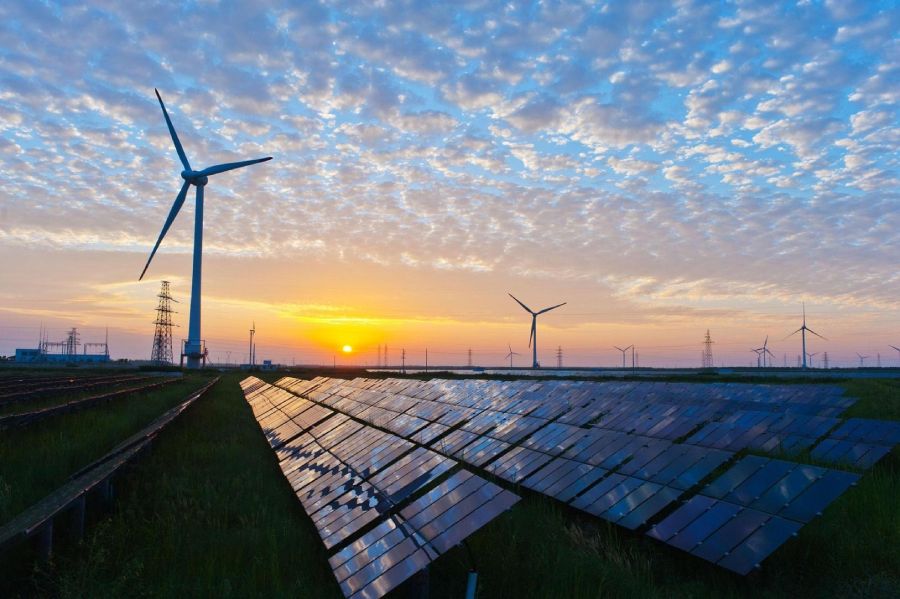
Both options give clean power. Both options support long-term savings. Both options help families create energy independence. This guide explains how these systems work and how they fit into Ontario’s unique climate.
Off-Grid Power Systems in Canada
In Ontario, renewable capacity rose from about 10,099 MW in 2010 to 17,436 MW in 2023 — a 73% increase.
Off-grid systems use solar or wind turbines to make power. A battery bank stores the energy. The system then runs the home through the day and night. Many homeowners choose off-grid systems when they live far from grid access.
Others choose this setup because they want full power independence. Off-grid systems help homeowners save a lot of money. Batteries need proper insulation. Panels need good angles for winter sunlight. A strong design supports year-round energy.
Ontario Solar and Its Role in Off-Grid Living
Ontario solar systems work well with off-grid power setups. Solar panels create daytime power. The battery stores unused power for night hours or cloudy periods. Ontario receives enough yearly sunlight to support strong solar output.
Many homeowners install rooftop solar. Others choose ground-mounted solar when they have wide open land. Ontario solar works in urban, suburban, and rural areas. Homes with south-facing roofs see the strongest results.
Solar panels work without noise. They need very little maintenance. They offer clean power during long summer days.
Benefits of Off-Grid Solar Panels
- Stable electricity
- Freedom from rising hydro bills
- Clean energy that reduces carbon output
- Long-term system lifespan
- Strong performance during the summer months
- Full control over power production and storage
Rural Ontario homes benefit the most. Many families live far from power lines. Off-grid solar helps them avoid costly grid extensions. Urban homeowners use solar plus battery setups to maintain steady backup power.
Choose the Right Solar Setup
- Sunlight Access
Homes with clear sunlight exposure see the strongest results. South-facing roofs offer ideal conditions.
- Energy Use
A family with high electricity use needs a larger system. Energy-efficient habits improve system performance.
- Battery Storage
Ontario winters bring shorter days. A stronger battery bank ensures stable power when sunlight remains limited.
- Backup Options
Some homes add a small generator to support heat pumps, well pumps, or large appliances.
- Installation Space
Ground systems need open land. Rooftop systems need strong structural support. Each home requires a custom design because every home uses energy differently.
Why Ontario Is Ideal for Off-Grid and Solar Solutions
Ontario offers a unique advantage for renewable power. The province has large rural land areas, spacious properties, and many off-grid cottages. Ontario solar systems run well during spring, summer, and fall.
A proper tilt angle helps capture winter sunlight. Off-grid power systems in Canada remain stable when homeowners combine solar with efficient appliances and modern battery technology.
Conclusion
Canada also reached 533 GWac of cumulative solar capacity in 2023 according to IEA-PVPS. Ontario homeowners continue to shift toward clean power. Off-grid power systems in Canada offer freedom and stability. Ontario solar provides reliable energy during the year. When homeowners combine both, they gain full control over their energy needs.