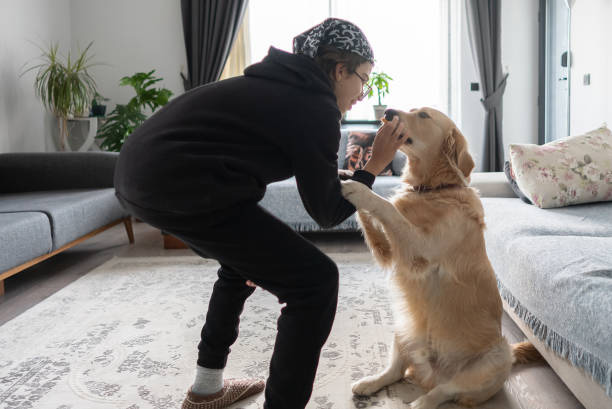
Dogs deserve better than the myths surrounding their training. Many pet parents delay getting help because they believe training only fixes aggression or takes months to show results. These misconceptions keep dogs from reaching their full potential and leave families struggling with preventable behaviour issues. Training teaches dogs how to navigate the world calmly and helps pet parents understand what their dogs need to thrive.
Understanding Training Misconceptions
Only Problem Dogs Need Help: The belief that training is only for aggressive or unruly dogs stops many families from seeking a dog trainer at home early enough. Puppies benefit from learning basic commands, socialisation skills, and household manners before problems develop. Adult dogs with no behaviour issues still gain from mental stimulation and structured activities that training provides. Waiting for problems to appear before seeking help often means addressing ingrained habits rather than building good ones from the start.
Training Takes Forever to Work: Pet parents often expect training to drag on for months with little progress. Reality looks different. Most dogs grasp basic commands within a few sessions when training methods suit their learning style and energy level. The timeline depends on consistency at home, not just professional sessions. Dogs learn faster when their families practise daily and reinforce what trainers teach during visits.
What Training Actually Achieves
Building Communication Systems: Training creates a shared language between dogs and their families. Dogs learn what behaviours earn rewards and which ones get ignored. This clarity reduces frustration on both sides. Pet parents learn to read their dog’s body language and respond appropriately to stress signals or excitement.
Core Skills Training Develops:
- Impulse control around food, visitors, and other dogs
- Calm behaviour during grooming, vet visits, and travel
- Confidence in new environments and situations
- Positive reinforcement techniques that strengthen the bond
- Problem-solving abilities through mental enrichment
Realistic Timeline Expectations: Most families see noticeable changes within two to three weeks of consistent practice. Simple commands like sit, stay, and recall often click within the first few sessions. Complex behaviours such as loose-leash walking or door manners take longer but show steady improvement with daily practice.
Real Results Pet Parents Can Expect
Immediate Benefits Begin at Home: Training sessions bring structure to a dog’s day and tire them mentally. A tired dog is often a calmer dog. Pet parents notice reduced jumping, less demand barking, and better settling behaviour after training begins. These changes happen because dogs understand what their families want from them. Operant conditioning shapes behaviour through clear consequences that dogs easily understand and remember.
Long-Term Behaviour Changes: Training builds habits that last when families maintain consistency. Dogs don’t forget commands, but they do need occasional refreshers to stay sharp. The relationship between dog and owner deepens as trust grows through training. Pet parents feel more confident handling their dogs in public spaces and around distractions.
Conclusion
Dog training teaches far more than commands. It builds confidence, creates communication, and strengthens the bond between dogs and their families. Myths about training being only for problem dogs or taking too long keep many pet parents from getting the help their dogs deserve. Ready to start your dog’s training journey? Book a consultation today and see what professional guidance can achieve for your family and your dog.
Featured Image Source: https://media.gettyimages.com/id/1367399826/photo/young-boy-giving-obedience-training-to-his-golden-retriever-dog.jpg?s=612×612&w=0&k=20&c=z5NplmOj8qBQfJvGhJvRAIJcwjMVTTVZS03He7NDYOA=