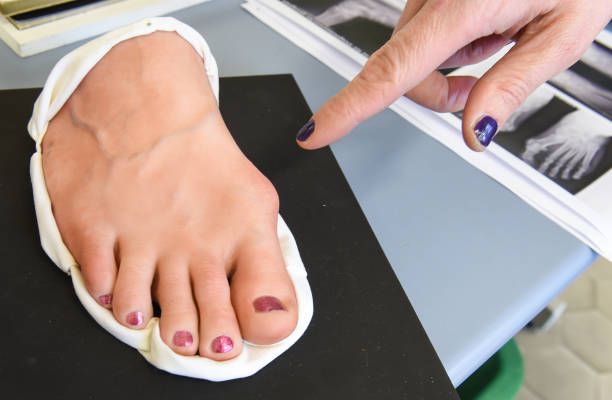
Bunions can turn simple tasks into painful challenges. That bony bump at the base of your big toe might start as a minor annoyance, but over time it can affect how you walk, what shoes you have to wear, and your overall quality of life. The good news is that surgery isn’t always the first answer. Many people find meaningful relief through non-surgical approaches that address pain and slow progression.
Understanding Your Treatment Options
Conservative Care as First-Line Defense: When dealing with bunions treatment Houston podiatrists often recommend starting with non-surgical methods. These approaches work best when bunions are caught early, before severe deformity sets in. The goal is to reduce pressure on the joint, minimize inflammation, and restore comfort during movement. Most patients see improvement within weeks when they commit to consistent treatment.
Orthotics and Proper Footwear: Custom orthotic devices help redistribute pressure away from the bunion. These inserts support your arch and change how weight transfers through your foot. Paired with wider shoes that have a roomy toe box, orthotics can dramatically reduce daily discomfort. Off-the-shelf options work for mild cases, but custom-fitted devices often provide better results for moderate bunions.
Physical Interventions That Make a Difference
Padding and Splinting Techniques: Bunion pads create a protective barrier between your toe and shoe, preventing friction and reducing pain. Gait analysis can reveal walking patterns that worsen bunion stress, allowing therapists to recommend specific corrections. Night splints gently pull the big toe into better alignment while you sleep, though they don’t reverse the deformity permanently. These tools complement other treatments effectively.
Targeted Physical Therapy: Stretching exercises improve flexibility in your toes and forefoot. Strengthening the small muscles around the bunion joint helps stabilize the area. Physical therapists teach techniques to improve your walking pattern and reduce strain. Some patients benefit from:
- Range-of-motion exercises that maintain joint flexibility
- Toe stretches that relieve tightness in surrounding tissues
- Balance training that reduces pressure on affected areas
- Manual therapy techniques that decrease inflammation
Lifestyle Modifications for Long-Term Management
Activity Adjustments That Help: High-impact activities like running or jumping can aggravate bunions. Switching to low-impact options such as swimming or cycling gives joints a break. Ice therapy after activity reduces swelling and provides temporary pain relief. Anti-inflammatory medications offer short-term comfort during flare-ups, though they don’t address the underlying structural issue.
When Surgery Becomes Necessary: Non-surgical treatments work well for mild to moderate bunions that haven’t progressed significantly. If your pain persists despite conservative care, or if the deformity limits your daily function, surgical correction might be the better path. Severe cases with joint damage typically require surgical intervention to restore proper alignment and eliminate pain.
Finding relief from bunion pain often starts with simple, non-invasive approaches. Orthotics, proper footwear, physical therapy, and activity modifications provide real benefits for many patients. These methods require patience and consistency, but they can postpone or eliminate the need for surgery. If you’re experiencing persistent bunion discomfort that affects your daily life, schedule a consultation with a Houston podiatrist to explore which conservative treatments might work best for your specific situation.
Featured Image Source: https://media.gettyimages.com/id/1038794110/photo/a-bolus-of-a-female-foot-with-a-bunion-is-on-display-at-the-medical-history-museum-at-the.jpg?s=612×612&w=0&k=20&c=iTuoEf0arX4yQrNItUc0tKOAW0IJUlrBNASdS1gwBpE=