Modern engineering demands precision at every connection point. A single weak joint can compromise an entire assembly, turning a profitable project into a liability. The difference between success and catastrophic failure often comes down to the quality of components holding everything together.
The Hidden Cost of Substandard Components
Industry Impact and Financial Losses: Many manufacturers underestimate how poor fastener selection affects their bottom line. Choosing the best fasteners company in India means access to components that meet international standards without inflated pricing. Production delays from component failures can cost thousands per hour in heavy machinery operations. The ripple effect touches every aspect of project timelines and budgets.
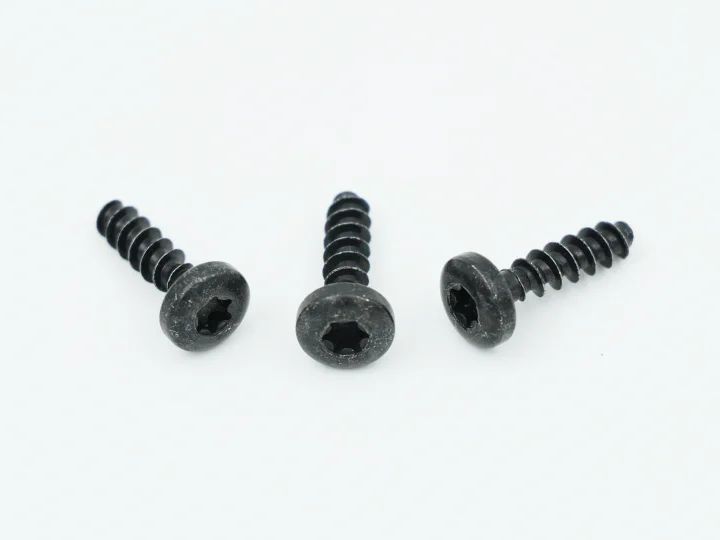
Structural Failures Begin at the Joint: Self-tapping screws and other specialised fasteners carry loads that standard hardware cannot handle. Metal fabrication projects require components designed for specific stress patterns and environmental conditions. Engineers who compromise on quality face warranty claims, rework expenses, and damaged reputations that take years to rebuild.
Critical Applications Across Sectors
Construction Demands Uncompromising Standards: Building frameworks withstand decades of environmental stress, thermal expansion, and dynamic loads. Torque specifications become critical when structural steel connections must maintain integrity through earthquakes and high winds. Galvanised and stainless options prevent corrosion that weakens joints over time, particularly in coastal or industrial environments where moisture accelerates degradation.
Automotive Assembly Requires Precision Engineering: Vehicle safety depends on thousands of connection points functioning flawlessly under vibration and impact forces. Modern automobiles use lightweight materials that demand fasteners engineered for aluminium, composite panels, and high-strength steel. A failed connection in brake assemblies or suspension systems creates liability issues that extend far beyond repair costs.
Material Selection and Performance Standards
Matching Components to Operating Conditions: Different alloys serve distinct purposes in mechanical assemblies. Grade 8.8 and 10.9 bolts handle high-tensile applications in heavy machinery, offering strength that prevents stretching under extreme loads. Thread-locking compounds and proper installation techniques ensure connections remain secure through thermal cycling and mechanical stress.
Testing and Certification Matter: Reputable suppliers provide material certificates and test documentation for critical applications. Components meeting ISO and DIN standards undergo rigorous quality checks that verify:
- Tensile strength and hardness specifications
- Corrosion resistance through salt spray testing
- Thread accuracy and dimensional tolerances
- Surface coating adhesion and thickness
Long-Term Reliability in Heavy Engineering
Maintenance Cycles and Downtime Prevention: Industrial equipment operates in harsh conditions where component failure stops production entirely. Mining machinery, manufacturing plants, and power generation facilities cannot afford unplanned shutdowns. Investing in quality fasteners reduces maintenance frequency and extends intervals between major overhauls, lowering total ownership costs significantly.
Temperature and Chemical Resistance: Extreme environments demand specialised materials that maintain properties under stress. Stainless steel varieties resist chemical exposure in processing plants, High-temperature applications require fasteners that won’t lose clamping force when heated repeatedly. These technical considerations separate reliable assemblies from those destined for premature failure.
Component quality directly impacts project success across construction, automotive, and heavy engineering sectors. Failures create safety hazards, financial losses, and reputation damage that far exceed any initial savings from cheaper alternatives. Partnering with experienced suppliers who understand application requirements ensures assemblies perform reliably throughout their service life. Evaluate your current fastener sources today and discover how proper component selection protects your investments and keeps operations running smoothly.
Featured Image Source: https://sp-ao.shortpixel.ai/client/to_auto,q_glossy,ret_img/https://upsind.com/wp-content/uploads/2024/05/Self-tapping-screw.png