A Homeowner’s Guide to Booking Boiler Repair in Cirencester

Your boiler breaks down and you need help fast. You search online and find dozens of heating engineers, each claiming to be the best. Some offer suspiciously low prices. Others charge premium rates with vague explanations. The pressure mounts because your house is cold and your family needs hot water.

Booking professional boiler repair in Cirencester should be straightforward, but many homeowners make costly mistakes during this process. Choosing the wrong engineer can turn a £200 repair into an £800 mess when botched work damages additional components. Skipping credential checks risks illegal gas work that voids insurance and creates safety hazards. Rushing into decisions based on price alone often leads to regret.

Checking Gas Safe Registration Before Anything Else

Every engineer who works on gas appliances must hold valid Gas Safe registration. This isn’t optional or negotiable. The Gas Safety (Installation and Use) Regulations 1998 make it illegal for anyone without proper registration to work on gas systems. Yet thousands of homeowners still hire unregistered workers each year, often with devastating consequences.

Check credentials before booking any appointment. Ask for the engineer’s Gas Safe registration number during your initial phone call. Visit gassaferegister.co.uk and verify the number matches a real registered engineer. Check that their registration covers the specific work your boiler needs. Some engineers hold limited registrations that don’t cover all boiler types or repair categories.

Request to see the Gas Safe ID card when the engineer arrives. This card contains a photo, registration number, employer details, and the categories of gas work they’re qualified to perform. Take a picture of it for your records. Legitimate engineers expect this scrutiny and respect customers who verify credentials properly.

The consequences of using unregistered engineers go beyond legal issues. Your home insurance becomes void if illegal gas work causes damage or injury. Boiler warranties get cancelled if unauthorized work occurs. You have no legal recourse if shoddy repairs cause problems later. The Health and Safety Executive prosecutes illegal gas work with unlimited fines and potential prison sentences.

Understanding Pricing Structures and Avoiding Overcharges

Boiler repair costs vary widely based on the problem, parts needed, and timing. Which? consumer research shows standard repairs cost £150-£400 including labor and parts. Emergency callouts add £100-£200 to these figures. Knowing typical rates helps you identify fair pricing and spot potential overcharging.

Ask about pricing structure during your initial call. Reputable engineers explain their diagnostic fee, hourly labor rate, and how they price parts. Many charge £60-£90 per hour for labor in Cirencester. Diagnostic visits cost £60-£90 with some engineers crediting this toward repair costs if you proceed.

Get quotes in writing before authorizing any work beyond basic diagnosis. Verbal estimates create confusion and disputes. Written quotes protect both parties and ensure clear expectations. The quote should itemize labor hours, parts costs, and any additional fees clearly.

Compare quotes from multiple engineers when possible. One quote might seem reasonable but getting two or three provides perspective. Perhaps the first engineer quoted £450 for a job that really costs £200-£250 based on other assessments. Price comparison takes extra time but saves hundreds on expensive repairs.

Watch for red flags that signal potential overcharging or dishonest practices. Engineers who refuse to provide written quotes, pressure you into immediate decisions, or insist on payment before starting work deserve suspicion. So do those who diagnose expensive problems without thorough testing or push replacement over repair without solid justification.

Asking the Right Questions Before Booking

The information you gather during initial contact determines whether you’re making a smart choice or setting yourself up for problems. Ask direct questions and pay attention to how engineers respond. Evasive answers or reluctance to provide details signals potential issues.

Questions to ask every engineer:

  • Are you Gas Safe registered? What’s your number?
  • What’s your diagnostic fee and does it apply to the final bill?
  • What’s your labor rate and how do you calculate it?
  • Do you guarantee your work? For how long?
  • Do you stock common parts or need to order them?
  • What payment methods do you accept?

Good engineers answer these questions clearly and patiently. They understand that informed customers make better decisions and cause fewer disputes. Engineers who get defensive about basic questions or rush you off the phone might have something to hide.

Ask about parts sourcing and quality. Some engineers use cheap aftermarket parts that fail quickly. Others install manufacturer-approved parts with warranties. Cheaper parts save money upfront but often need replacing sooner, costing more long-term.

Reading Reviews and Checking Local Reputation

Online reviews provide valuable insights but require careful interpretation. Not all reviews are genuine. Some businesses post fake positive reviews or competitors post false negative ones. Look for patterns across multiple platforms rather than trusting individual reviews blindly.

Check these review sources for Cirencester heating engineers:

  • Google Business reviews
  • Checkatrade ratings and customer feedback
  • Which? Trusted Traders
  • Trustpilot scores
  • Local Facebook community groups

Pay attention to how businesses respond to negative reviews. Professional responses that acknowledge issues and explain resolutions demonstrate accountability. Defensive or aggressive responses to criticism suggest poor customer service attitudes.

Ask friends, neighbors, and coworkers in Cirencester for recommendations. Personal referrals from people you trust carry more weight than anonymous online reviews. Someone who had good service from a local engineer will happily share that information.

Following Up After Repairs

Request detailed invoices showing exactly what work was performed and which parts were installed. Keep these records for warranty purposes and future reference. Many boiler manufacturers require proof of professional repairs to honor warranties.

Test your boiler thoroughly after repairs. Check that heating and hot water work properly. Listen for unusual noises. Monitor pressure levels. Contact the engineer immediately if problems persist or new issues appear.

Leave honest reviews after service completes. Your feedback helps other homeowners make informed choices about boiler repair in Cirencester. Describe your experience accurately, both positive and negative aspects.

Frequently Asked Questions

How do I verify a Gas Safe registration number?

Visit gassaferegister.co.uk and enter the registration number in their search tool. The results show the engineer’s name, qualifications, and approved work categories. Cross-reference this with the ID card they show you. The Gas Safe Register is the official body for gas safety in the UK, managed under Health and Safety Executive oversight.

What should I do if an engineer quotes significantly less than competitors?

Unusually low quotes often indicate corner-cutting on parts quality, skipped safety checks, or inexperience. Which? consumer research shows that suspiciously cheap quotes frequently result in repeat failures, warranty issues, or additional problems from poor workmanship. Get detailed breakdowns of what’s included and verify credentials carefully.

Are online booking platforms reliable for finding boiler engineers?

Platforms like Checkatrade and Which? Trusted Traders vet engineers and verify credentials before listing them. These services provide more reliability than general search results. The Chartered Institute of Plumbing and Heating Engineering recommends using accredited platforms or direct referrals from trusted sources.

What constitutes a genuine boiler emergency requiring immediate callout?

The Gas Safe Register defines genuine emergencies as gas leaks, carbon monoxide symptoms in occupants, water leaks causing property damage, and complete heating loss during freezing weather when vulnerable people are present. Other issues typically don’t justify emergency callout rates despite inconvenience.

How long should boiler repairs be guaranteed for?

Most reputable engineers guarantee their workmanship for 6-12 months according to the Heating and Hotwater Industry Council. Parts warranties vary by manufacturer but typically run 1-2 years. Always get guarantee terms in writing and clarify what’s covered before authorizing work.

Featured Image Source:

Corporate Outings, School Trips & Pilgrimages: Why Charter Buses in Bangalore Make Sense Financially

Planning group travel often means wrestling with transport budgets that spiral out of control. Whether organising a company team-building weekend, coordinating a school excursion, or arranging a pilgrimage to Tirupati, the challenge remains consistent. Getting everyone from point A to point B requires careful financial planning and practical transport solutions.

Charter Buses eliminate the coordination nightmare of managing multiple vehicles whilst providing transparent pricing structures. A single bus accommodates 20 to 50 passengers, removing the need to book five or six separate taxis. This consolidation translates directly into cost savings, as group rates per person drop substantially compared to individual vehicle bookings or fuel reimbursements.

The financial advantage extends beyond the ticket price. Group cohesiveness improves when everyone travels together, reducing the risk of stragglers getting lost or delayed. This unified approach means no wasted time waiting for scattered vehicles at meeting points, which protects productivity during corporate outings and maintains schedules during tightly planned pilgrimages.

Direct Cost Comparison Benefits

Per-Person Economics That Actually Matter: Splitting charter bus rental costs across 30 or 40 participants results in dramatically lower per-head expenses. A typical charter bus rental in Bangalore ranges between ₹15,000 and ₹25,000 for day trips, depending on distance and duration. Divided among 35 travellers, each person pays approximately ₹400 to ₹700, substantially less than individual taxi fares or fuel costs for personal vehicles.

Fuel Efficiency Versus Multiple Vehicles: Running six cars for a Bangalore to Mysore trip burns approximately 150 litres of petrol collectively. One charter bus covers the same route using around 60 litres of diesel. This fuel economy advantage becomes pronounced on longer journeys to destinations like Hampi or Gokarna, where distance amplifies the cost differential between coordinated and fragmented transport.

Hidden Savings Beyond the Rental Fee

Parking and Toll Gate Economics: Multiple vehicles mean multiple parking fees and toll charges. A charter bus pays toll fees once, and parking costs remain fixed regardless of passenger count. Corporate groups visiting tech parks or educational institutions particularly benefit, as single vehicle access simplifies gate entry procedures and reduces waiting time.

Insurance and Liability Protection: Professional charter operators maintain comprehensive passenger insurance coverage, protecting organisations from potential accident-related liabilities. Schools and companies avoid the risk exposure associated with staff driving personal vehicles or coordinating with multiple taxi operators lacking proper documentation.

Operational Efficiency Gains

Driver Management and Route Optimisation: Charter services provide experienced drivers familiar with Bangalore’s traffic patterns and Karnataka’s highway conditions. This eliminates the need for multiple drivers, reduces navigation errors, and ensures punctual arrivals at scheduled stops during multi-location itineraries.

Reduced Administrative Burden: Booking one charter bus requires a single invoice, one payment transaction, and one point of contact for trip coordination. Compare this to managing receipts from six taxi services, tracking multiple vehicle movements, and handling payment disputes. The administrative time saved translates into tangible cost savings for organisations and educational institutions.

Comfort Features That Justify Premium Pricing

Onboard Amenities for Extended Journeys: Modern charter buses include:

  • Air conditioning systems that maintain comfortable temperatures throughout 8-hour pilgrimages or day-long corporate retreats.
  • Reclining seats with adequate legroom, reducing fatigue during multi-hour journeys to destinations like Tirupati or Coorg.
  • Luggage storage compartments that accommodate bags, equipment, and supplies without cramping passenger space.
  • Onboard restroom facilities on premium models, eliminating frequent stops during long-distance trips.

Entertainment and Productivity Options: Audio systems enable group singing during school trips or presentation equipment for corporate briefings during travel time. This transforms dead transit hours into productive or engaging experiences that justify higher upfront rental costs.

Conclusion

Financial prudence demands honest comparison between transport options. Charter bus rental in Bangalore delivers measurable savings through consolidated pricing, reduced fuel consumption, and eliminated coordination costs. Organisations and trip planners who calculate total journey expenses discover that group transport provides superior value without sacrificing comfort or reliability. Start comparing quotes from multiple operators to identify competitive rates for your next group journey.

Featured Image Source: https://lh3.googleusercontent.com/p/AF1QipMi37FB-Tvn-qWRtXU4vGmxgjg1YylpNowCTS4y=s1360-w1360-h1020-rw

Scaling Your Marketing Team Without the Full-Time Headcount: A Hybrid Approach

Mid-sized businesses often face high costs and risks when hiring executive leaders. A hybrid model uses external experts to provide strategic direction and tactical support. It allows organizations to scale quickly without the heavy financial burden of permanent executive salaries.

Expanding a business requires a steady hand to guide growth momentum and manage complex campaigns. Many owners worry that their current staff lacks the deep experience needed to reach the next level. Hiring a full-time executive is expensive and carries a high risk if the person does not fit. A hybrid approach offers a way to get expert help without the long-term commitment.

Strategic Leadership Options

The Flexible Executive Role: Working with a fractional chief marketing officer allows a company to access high-level strategy on a part-time basis. This leader brings years of experience from various industries to solve specific problems. They focus on big-picture goals like brand positioning and revenue growth while keeping overhead low. It is a practical way to get veteran leadership for a fraction of the cost.

Balanced Team Management: This type of leader does more than just give advice. They often manage existing staff and set clear performance goals for the marketing agency Arizona to ensure everyone stays on track. Because they are not tied to a single company full-time, they bring fresh perspectives and unbiased opinions. This setup helps bridge the gap between small-scale operations and a fully mature marketing department.

Regional Expertise and Execution

Partnering With Specialists: Engaging outside help provides the tactical muscle needed to execute the strategies set by leadership. Local teams understand the specific nuances of the regional market and consumer behavior. They handle daily tasks like content creation and social media management. This partnership ensures that strategic plans turn into real-world results through consistent daily action.

Comprehensive Tactical Support: A dedicated local team offers a level of continuity that is hard to find with scattered freelancers. They provide a full suite of services under one roof, which simplifies communication and reporting. This allows the business to scale its efforts based on current performance or seasonal needs. Having a reliable group nearby makes it easier to pivot when market conditions change.

Modern Growth Methods

Optimizing Digital Performance: Businesses must focus on their conversion rate to ensure that marketing spend generates profit. It is easy to waste money on traffic that never turns into customers. Expert teams look at the data to see where people are dropping off in the buying process. Making small changes to your website or ads can lead to much higher returns over time.

Building Brand Authority: Establishing a strong presence requires more than just running a few ads. It involves creating a cohesive story that resonates with the target audience across all platforms. Professional teams help craft this message and ensure it remains consistent everywhere. This builds trust with potential buyers who are looking for a stable and reliable partner in the marketplace.

The fractional marketing officer provides:

  • Strategic planning for growth.
  • Better budget management.
  • Faster market entry.
  • Access to specialized tools.

Internal Development Focus

Training Existing Personnel: Bringing in outside experts helps upskill the current members of the internal team. These professionals show the staff how to use a customer relationship management system to track leads properly. Learning these new skills makes the internal team more valuable and capable over time. It creates a culture of continuous improvement without the need for formal outside training programs.

Defining Clear Objectives: Many marketing efforts fail because they do not have specific goals or ways to measure success. External leaders bring a disciplined approach to setting key performance indicators for every campaign. They hold everyone accountable for the results, which keeps the focus on activities that drive revenue. This clarity reduces friction and helps the entire organization move toward the same vision.

Conclusion

Adopting a hybrid marketing model protects a business from the high costs and risks of traditional hiring. Combining executive strategy with local tactical support creates a powerful engine for sustainable growth and market dominance.

Reach out today to see how this flexible approach can help scale the business and secure a more profitable future for your company.

Featured Image Source: https://media.gettyimages.com/id/648951146/photo/mature-businessman-speaking-in-an-informal-meeting.jpg?s=612×612&w=0&k=20&c=pMprDlQRlO-MCvVy3C5pZwpn0aAdymemGYlrzMNF77o=

When Loved Ones Choose Body Donation: A Compassionate Guide for Families

Body donation provides families with a meaningful, selfless way to support medical research and education. Compassionate handling, a clear process, and emotional support allow loved ones to find dignity, purpose, and comfort while creating a lasting legacy beyond life itself.

Choosing body donation can feel unfamiliar and emotionally complex. Families often face uncertainty during moments already filled with grief. Understanding the process helps reduce fear and confusion. Clear guidance, respectful handling, and thoughtful communication allow families to focus on honoring wishes rather than navigating unanswered questions during an already difficult time.

Understanding The Decision to Donate

Honoring A Final Wish: When a loved one decides to donate my body to science, the family may feel unsure of this decision at first. Yet, the choice reflects generosity and purpose in a selfless fashion. Donation supports medical training and research that benefits future patients. Knowing this intent often brings comfort, helping families understand the decision as an act of care rather than loss alone.

What Happens After Consent: Once whole body donation is approved, trained professionals manage the transfer with dignity. The family is informed at every step, and clear timelines help set expectations. This transparency reduces anxiety and builds trust, ensuring loved ones feel respected throughout the process without unexpected complications or emotional strain.

How Whole Body Donation Works

Medical Use and Research: Donated bodies support education, surgical training, and scientific studies. Each contribution advances healthcare in ways that textbooks cannot replicate. This hands-on learning, often using anatomical modelling, allows physicians and students to refine their skills and improve patient outcomes, creating knowledge that benefits communities far into the future.

Ethical Oversight and Care: Donation programs follow strict ethical standards. Respectful handling remains central from start to finish. Oversight ensures that use aligns with consent and purpose. These safeguards reassure families that dignity is preserved, easing concerns about misuse or lack of accountability during the process.

Eligibility And Evaluation

Medical Screening Criteria: Not every donation is accepted, due to health and timing factors. A screening reviews medical history and cause of death, which protects research quality and safety. Clear communication around eligibility helps families avoid surprises and understand decisions without confusion or frustration.

Anatomical Gift Act Compliance: Donation follows laws outlined in the Uniform Anatomical Gift Act, ensuring legal clarity and donor protection. This framework defines consent, handling, and use. Families benefit from knowing the process operates within established legal boundaries designed to respect both donors and loved ones.

Supporting Families Through the Journey

Emotional Guidance and Updates: Families often need reassurance beyond logistics. Compassionate communication helps ease emotional weight, with regular updates to prevent uncertainty and foster trust. Knowing what happens next allows the family to grieve without feeling disconnected from the process or the loved one’s legacy.

How Families Are Supported:

  • Clear explanations of each stage, reducing confusion.
  • Respectful handling that maintains dignity at all times.
  • Guidance on memorial options after donation completion.
  • Access to answers without pressure or urgency.

Legacy Beyond Loss

Educational and Scientific Impact: Donation supports future doctors and researchers, and many families find peace knowing the contribution leads to medical progress. This connection transforms grief into purpose, offering comfort through contribution rather than finality alone.

Lasting Meaning for Loved Ones: Understanding the broader impact often reframes loss. Families recognize that generosity continues through the knowledge gained. This awareness brings quiet reassurance and pride, especially when shared with future generations.

Conclusion

Body donation provides families a path grounded in meaning, respect, and contribution. Clear processes and compassionate support ease uncertainty during loss.

For those seeking purpose beyond traditional arrangements, donation creates a lasting legacy that honors life through service. Consider informed options that align with your values and provide peace during difficult moments.

Featured Image Source: https://media.gettyimages.com/id/1719014611/photo/army-soldier-embracing-his-grandmother-at-home.jpg?s=612×612&w=0&k=20&c=5zrVH4Z0hX1fVji5ja4Vv5YqC2pu4blHQ9_vYJvoycg=

From Pain to Relief: Non-Surgical Approaches for addressing Bunion Pain in Houston

Bunions can turn simple tasks into painful challenges. That bony bump at the base of your big toe might start as a minor annoyance, but over time it can affect how you walk, what shoes you have to wear, and your overall quality of life. The good news is that surgery isn’t always the first answer. Many people find meaningful relief through non-surgical approaches that address pain and slow progression.

Understanding Your Treatment Options

Conservative Care as First-Line Defense: When dealing with bunions treatment Houston podiatrists often recommend starting with non-surgical methods. These approaches work best when bunions are caught early, before severe deformity sets in. The goal is to reduce pressure on the joint, minimize inflammation, and restore comfort during movement. Most patients see improvement within weeks when they commit to consistent treatment.

Orthotics and Proper Footwear: Custom orthotic devices help redistribute pressure away from the bunion. These inserts support your arch and change how weight transfers through your foot. Paired with wider shoes that have a roomy toe box, orthotics can dramatically reduce daily discomfort. Off-the-shelf options work for mild cases, but custom-fitted devices often provide better results for moderate bunions.

Physical Interventions That Make a Difference

Padding and Splinting Techniques: Bunion pads create a protective barrier between your toe and shoe, preventing friction and reducing pain. Gait analysis can reveal walking patterns that worsen bunion stress, allowing therapists to recommend specific corrections. Night splints gently pull the big toe into better alignment while you sleep, though they don’t reverse the deformity permanently. These tools complement other treatments effectively.

Targeted Physical Therapy: Stretching exercises improve flexibility in your toes and forefoot. Strengthening the small muscles around the bunion joint helps stabilize the area. Physical therapists teach techniques to improve your walking pattern and reduce strain. Some patients benefit from:

  • Range-of-motion exercises that maintain joint flexibility
  • Toe stretches that relieve tightness in surrounding tissues
  • Balance training that reduces pressure on affected areas
  • Manual therapy techniques that decrease inflammation

Lifestyle Modifications for Long-Term Management

Activity Adjustments That Help: High-impact activities like running or jumping can aggravate bunions. Switching to low-impact options such as swimming or cycling gives joints a break. Ice therapy after activity reduces swelling and provides temporary pain relief. Anti-inflammatory medications offer short-term comfort during flare-ups, though they don’t address the underlying structural issue.

When Surgery Becomes Necessary: Non-surgical treatments work well for mild to moderate bunions that haven’t progressed significantly. If your pain persists despite conservative care, or if the deformity limits your daily function, surgical correction might be the better path. Severe cases with joint damage typically require surgical intervention to restore proper alignment and eliminate pain.

Conclusion

Finding relief from bunion pain often starts with simple, non-invasive approaches. Orthotics, proper footwear, physical therapy, and activity modifications provide real benefits for many patients. These methods require patience and consistency, but they can postpone or eliminate the need for surgery. If you’re experiencing persistent bunion discomfort that affects your daily life, schedule a consultation with a Houston podiatrist to explore which conservative treatments might work best for your specific situation.

Featured Image Source: https://media.gettyimages.com/id/1038794110/photo/a-bolus-of-a-female-foot-with-a-bunion-is-on-display-at-the-medical-history-museum-at-the.jpg?s=612×612&w=0&k=20&c=iTuoEf0arX4yQrNItUc0tKOAW0IJUlrBNASdS1gwBpE=

When Temporary Doesn’t Have to Feel Cheap: Redefining On-Site Washrooms

Temporary sanitation used to mean compromising on comfort. Not anymore. The gap between what people expect and what portable facilities actually deliver has narrowed considerably, changing how events and job sites approach washroom planning. 

Shifting Expectations

Beyond Basic Functionality: Luxury portable washrooms Ontario providers now offer units with features that seemed impossible ten years back. Climate control that keeps interiors comfortable year-round, not just bearable. Real sinks with running water instead of hand sanitiser pumps that always seem to run dry right when the crowd hits peak size.

Matching the Event Standard: Weddings, corporate gatherings, VIP festival sections all need washrooms that won’t drag down the experience. Guests pick up on cheap facilities fast. Searching porta potties near me pulls up everything from barely functional to actually impressive, and your guests will notice which end of that spectrum you chose. Pair an upscale venue with substandard washrooms and that mismatch is what people remember months later.

What Changed the Market

Client Demands Evolved: Clients started pushing for more, and the industry caught up. Outdoor events grew larger, more sophisticated. Construction projects began hosting client visits and investor tours. The old standard stopped being acceptable.

Technology Made It Possible: Better water filtration systems, climate tech that doesn’t quit, and smarter waste management changed what portable units could do. Trailers started carrying their own water supply instead of relying on hookups. Temperature stays consistent now, not swinging wildly based on outside conditions. Higher usage doesn’t mean constant servicing calls anymore, which matters when your event runs multiple days.

Features That Make the Difference

Interior Amenities That Surprise:

  • Full-length mirrors and proper vanity lighting instead of dim overhead bulbs that make everyone look terrible
  • Flooring that feels solid underfoot rather than flexing or rattling with every step taken inside
  • Hands-free fixtures and touchless operation that reduce contact points and improve hygiene perception
  • Sound systems playing background music that masks awkward bathroom noises guests would rather not hear

Climate Control Matters: Summer heat turns basic porta potties unbearable. Winter cold makes them places people avoid until absolutely necessary. Temperature-controlled units eliminate both problems, keeping interiors at comfortable levels regardless of outside conditions. Guests actually want to use facilities that don’t feel like punishment.

Planning for Higher Standards

Know Your Audience: Corporate events need different setups than construction sites, though neither should get stuck with bottom-shelf options. Wedding guests dressed up in formal wear aren’t going to squeeze into cramped spaces with lighting so bad they can’t see properly. Festival VIP holders paid more for their tickets, and yeah, they’re expecting washrooms that back up that premium price.

Budget Reflects Priorities: Upgraded washrooms cost more. That’s just reality. The price gap reflects actual improvements in comfort, finish quality, and user experience. Where portable facilities land in your budget determines what guests or workers get. Cut costs here and you save money short-term, but people remember substandard washrooms long after your event ends.

Conclusion

Temporary washrooms no longer mean accepting uncomfortable, unpleasant facilities. Modern options deliver climate control, proper amenities, and interior finishes that challenge assumptions about what portable sanitation can be. The right provider offers solutions that match your event or project standards rather than undermining them. Explore upgraded options that treat guests and workers with the comfort and dignity they deserve throughout any temporary sanitation need.

Featured Image Source: https://ktportajohn.ca/websites/ktportajohn.ca/ecommerce/products/6/images/main/Signature.jpg

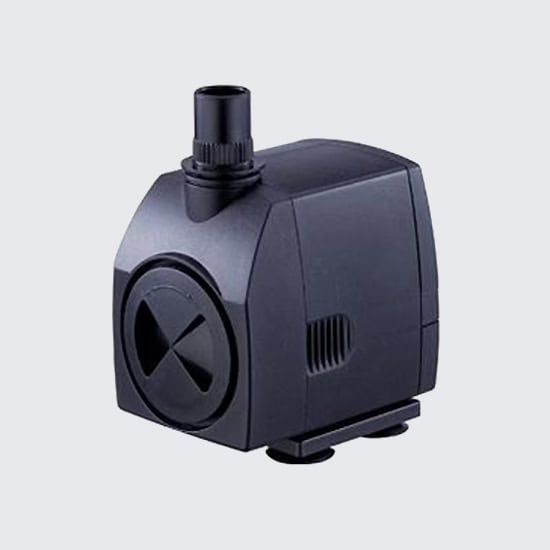
Garden Fountain Pumps vs Pond Fountain Pumps: Key Differences

Buying the wrong pump is expensive. And frustrating.

You install it, fire everything up, and realize the water barely trickles. Or the pump burns out after three months because it wasn’t built for your setup.

Here’s the problem. Garden fountain pumps and pond fountain pumps look similar in photos. Both move water. Both come with similar price tags. But they’re designed for completely different jobs.

What Makes Garden Fountain Pumps Different

Garden fountain pumps are usually smaller, self-contained units. Think tabletop designs, wall-mounted features, or those decorative pieces you see on patios.

These pumps handle low volumes. Most garden fountain pumps push between 50 and 400 GPH (gallons per hour). That’s enough to create a nice flow over stones or through a tiered fountain without overwhelming the basin.

Head height matters here, too. Garden fountains rarely need to push water more than 3 or 4 feet vertically. The pump sits in a small reservoir at the base and recirculates the same water over and over.

Power consumption stays low. Most garden fountain pumps draw less than 20 watts, which keeps your electric bill reasonable if you run the fountain all day.

One thing people don’t always think about: noise. Garden fountains sit close to seating areas. A loud pump ruins the whole effect. Better garden pumps run quietly enough that you hear the water, not the motor.

Why Pond Fountain Pumps Work Differently

Ponds demand more muscle.

A pond fountain pump needs to move larger volumes of water to create visible spray patterns. We’re talking 1,000 to 5,000 GPH or more, depending on pond size. Anything less just looks weak from a distance.

These pumps also need greater head height capacity. If your pond is 3 feet deep and you want a fountain spray reaching 4 feet above the surface, the pump has to push water 7 feet total. That takes real pressure.

Pond pumps get built tougher. They sit underwater for months at a time, dealing with algae, fish waste, leaves, and temperature swings. Cheaper models clog or corrode fast. Quality units have larger intake screens and corrosion-resistant housings.

Here’s what catches people off guard. Pond fountain pumps use more electricity. A 2,000 GPH pump might pull 100 to 150 watts. Run that 12 hours a day, and you’ll notice it on your bill. But you need that power to move enough water.

Matching Pumps to Your Actual Setup

Start with water volume. Garden fountains hold 5 to 50 gallons. Ponds start around 100 gallons and go up from there.

Measure your vertical distance carefully. From the pump location to the highest point water needs to reach. Add 20% to that number for a safety margin.

Check the fountain head or spray pattern you want to use. Manufacturers list minimum GPH requirements. Don’t guess. A three-tier fountain head might need 300 GPH while a spray ring needs 1,500 GPH.

Look at the power specs, too. Garden pumps usually plug into standard outlets. Larger pond pumps might need dedicated circuits. Know what your electrical setup can handle before ordering.

Making the Right Call

Your water feature works only if the pump matches the job.

Garden fountains need a gentle, consistent flow with quiet operation. Pond fountains need volume and pressure to create visible displays.

Trying to save $30 by buying the wrong type just means spending more later to fix the mistake. Get the right pump first.

Featured Image Source: https://www.fountaintechpumps.com/wp-content/uploads/2022/11/fountain-tech-ft-300.jpg

Smart Study Habits: Using Audio NCERT Songs to Beat Last-Minute Exam Stress

Exam season brings a familiar pattern. Students scramble through thick textbooks, trying to cram months of content into days. The pressure builds. Sleep suffers. Panic sets in when there are simply not enough hours left to review everything properly. Traditional methods feel like running on a treadmill that keeps speeding up.

Why Traditional Cramming Fails Students

The Mental Overload Problem: Last-minute revision using NCERT audio books helps students avoid the exhaustion that comes from reading dense chapters under time pressure. Listening engages different neural pathways than visual reading, allowing the brain to process information through auditory channels that remain fresh even when eyes tire from hours of staring at pages. This multisensory approach creates stronger memory connections without adding screen fatigue.

Flexible Learning Windows: Audio formats fit naturally into small pockets of time throughout the day. Class 10 songs transform bus rides, meal breaks, and walking routines into productive revision sessions. Students can reinforce chemistry equations or biology processes without carrying heavy books or finding dedicated study spaces. The rhythm and repetition in songs make complex formulas stick better than silent reading.

Building Stress-Free Revision Routines

Active Recall Through Listening: The brain responds differently to information presented through the medium of sound. When students hear concepts explained through melody and rhythm, they create mental hooks that trigger faster recall during exams. Audio learning does not demand the same sustained attention as reading paragraphs. Students can rewind difficult sections or loop challenging topics until they feel confident of material retention.

Strategic Time Management: Short audio sessions work better than marathon study blocks. Breaking revision into 15 to 20 minute listening periods prevents burnout and keeps focus sharp. Some students pair audio content with light activities like stretching or organizing notes, which actually improves memory retention compared to sitting still with books. The practice effect kicks in naturally when students listen to the same topics across multiple days. 

Making Audio Learning Work For You

Creating A Personalised Study Plan: Every student has different weak areas that need attention. Audio content allows targeted revision of specific chapters or topics that cause the most confusion. Students can skip sections they already understand well and focus their listening time on challenging concepts. This customised approach saves hours compared to flipping through entire textbooks searching for relevant pages.

Combining Audio With Written Notes: Listening works best when paired with brief note-taking sessions. After hearing a topic explained through audio, students can jot down key points or diagrams in their own words. This combination reinforces learning through multiple senses and creates quick reference materials for exam day. The notes become more meaningful because they connect to the audio explanations already stored in memory.

Practical Tips For Audio Revision Success

Maximising Daily Opportunities: Students should identify their routine dead time and fill it with focused listening.

  • Morning commutes for science chapters
  • Lunch breaks for quick formula reviews
  • Evening walks for concept reinforcement
  • Pre-sleep sessions for general revision

Tracking Progress Without Pressure: Audio formats remove the visual stress of watching page numbers pile up. Students know exactly how long each session lasts and can plan their coverage realistically. This clarity reduces anxiety because progress feels measurable and achievable rather than endless.

Conclusion

Last-minute exam stress does not have to mean sleepless nights and mental exhaustion. Audio revision creates a sustainable study rhythm that fits real student schedules. Start building better habits today by exploring how listening-based learning can transform your revision approach before the next exam cycle begins.

Featured Image Source: https://images.pexels.com/photos/7163062/pexels-photo-7163062.jpeg

The Modern Bride’s Formula: One Statement, One Whisper

Walking down the aisle means all eyes are on you. Your jewelry should frame your face beautifully without creating visual chaos. The secret lies in contrast, choosing one piece that commands attention and another that quietly complements. This approach feels fresh, intentional, and refreshingly modern for brides who want to look curated rather than crowded.

Why Bold Meets Delicate Works

The Psychology Behind Statement and Subtlety: When you wear a dramatic matha patti bridal piece, your forehead becomes the focal point. The cascading design naturally draws eyes upward toward your face and hair. Adding equally bold earrings creates competition, pulling attention in multiple directions. Your guests don’t know where to look first, and the overall effect feels busy rather than breathtaking.

Creating Visual Hierarchy With Minimal Pieces: Choosing small Indian earrings alongside your statement headpiece establishes a clear hierarchy. The matha patti takes center stage, gracefully framing your features from hairline to brow. Subtle studs or delicate drops provide just enough sparkle near your face without stealing the show. This combination feels balanced, letting each piece breathe and your natural beauty shine through effortlessly.

The Comfort Factor No One Talks About

Weight Distribution Matters More Than You Think: Heavy jewelry on multiple points creates physical strain during long ceremonies. A substantial matha patti already adds weight to your head and hair. Chunky chandelier earrings compound this issue, pulling on your earlobes for hours. You’ll find yourself adjusting, fidgeting, and feeling uncomfortable when you should be enjoying every moment of your celebration.

Freedom of Movement Throughout Your Day: Lighter earrings mean you can turn your head, laugh freely, and embrace loved ones without worrying about tangled jewelry. You won’t feel weighed down during Pheras or photo sessions. This practical consideration often gets overlooked in styling discussions, but brides who choose this formula consistently report feeling more at ease. Comfort directly impacts confidence, and confidence makes you absolutely radiant.

How This Trend Reflects Modern Sensibilities

Curated Over Crowded Aesthetics: Today’s brides gravitate toward intentional styling rather than traditional “more is more” approaches. The statement-and-whisper formula reflects contemporary design thinking. You’re making deliberate choices about what matters most. This philosophy extends beyond jewelry into minimalist wedding themes, clean photography styles, and streamlined bridal looks that photograph beautifully across platforms.

Timeless Appeal in Wedding Albums: Trends come and go, but balanced styling remains elegant decades later. When you look back at your wedding photos, you want to see yourself, not just your jewelry. This approach ensures your face, expression, and joy take priority. The matha patti provides enough drama for impact, the understated earrings add polish, and together they create a look that won’t feel dated years from now.

Styling Tips for Perfect Execution

Consider these practical guidelines when creating your bridal jewelry combination:

  • Match metal tones carefully. Your matha patti and earrings should share the same finish, whether in rose gold, silver, or traditional gold plating, for cohesive sophistication.
  • Consider your hairstyle’s volume. Voluminous updos pair beautifully with delicate studs, while sleeker styles can handle slightly larger but still understated drops.
  • Test the weight before your day. Wear both pieces together during your final fitting to ensure comfort levels work for extended wear.
  • Coordinate with your neckline. If your outfit has intricate neckline embroidery, keep earrings minimal to avoid competing visual elements.

Conclusion

This styling formula isn’t about following rigid rules. It’s about understanding balance, prioritizing comfort, and creating a bridal look that feels authentically yours. The combination of one bold statement piece with one whisper of elegance gives you flexibility, timeless appeal, and the confidence to truly enjoy your celebration. Start exploring options that speak to your personal style and discover how less can genuinely feel like more.

Featured Image Source: https://www.myrivaaz.com/cdn/shop/files/matha-patti-green-mathapatti-green-mathapatti-damini-indian-jewelry-matha-patti-indian-bridal-jewelry-gold-tika-indian-wedding-jewelry-pakistani-jewelery-indian-jewelry-1208828904.webp?v=1764305041&width=1100

Simplifying Commercial Recycling: The Role of Metal Scrap Pick Up in Modern Waste Management

Managing metal waste isn’t just about clearing space anymore. Factories, workshops, and construction sites generate tonnes of scrap that piles up fast. The real question is whether such companies can afford to let valuable materials sit around when they could be generating income. Many businesses don’t realise how much money they’re literally throwing away.

Finding the Right Recycling Partner

Local Accessibility Matters: Searching for metal collection near me reveals dozens of options, but not all recyclers offer the same service quality. Distance matters when you’re dealing with heavy loads of copper, aluminium, or steel. Companies need partners who understand tight schedules and can work around production demands without causing disruptions.

Understanding Market Value: Scrap metal prices fluctuate based on global demand and metal type, which directly affects what businesses earn from their waste. Copper typically fetches higher returns than steel, but volumes matter too. Tracking these rates helps companies time their collections for better payouts, turning what seems like rubbish into actual revenue streams.

The Convenience Factor in Commercial Recycling

Professional Handling Makes the Difference: Expert recyclers bring proper equipment and trained staff to job sites. They know how to separate ferrous from non-ferrous metals on the spot. This saves businesses the hassle of sorting materials themselves. The right partner also handles all documentation for environmental compliance, which keeps operations legal and stress-free.

Custom Solutions for Different Industries: Manufacturing plants need different setups than demolition crews. Perhaps a factory requires weekly bin collections, or maybe a workshop prefers monthly bulk pickups. The flexibility to choose collection schedules prevents overflow situations. Custom container sizes also help, because standard bins don’t always fit the space available or the waste generated.

Building Long-Term Relationships: Companies that establish ongoing partnerships with recyclers often negotiate better rates over time. Consistent business relationships mean priority scheduling during peak periods. Recyclers who understand specific industry needs can suggest improvements to waste handling processes. This collaborative approach transforms recycling from a chore into a strategic business advantage that pays dividends year after year.

Environmental and Economic Returns

Closing the Loop: Recycled metals return to production cycles faster than mined materials. This creates jobs in processing facilities and reduces Australia’s reliance on imported raw materials. Businesses contribute to circular economy goals without extra effort. The environmental benefits happen automatically when companies choose recycling over landfill disposal.

Cost Savings Beyond Payments: Companies avoid landfill fees, which keep rising across Australian states. Storage space freed up can be repurposed for productive activities:

  • Reduced workplace accidents from clutter
  • Lower insurance premiums through better site management
  • Tax deductions available for sustainable waste practices
  • Improved company reputation with environmentally conscious clients

Operational Advantages: Regular collections mean predictable waste management costs. Factories can budget accurately instead of dealing with emergency removals. The time saved by outsourcing recycling lets staff focus on core business activities. Some businesses report productivity gains simply from having clearer work areas.

Conclusion

Commercial recycling doesn’t have to be complicated. Professional services handle everything from collection to compliance, turning waste into revenue streams. Businesses that partner with experienced recyclers gain financial returns, environmental credibility, and operational simplicity. Contact a trusted metal recycling service today to discuss custom collection schedules and current market rates for your scrap materials.

Featured Image Source: https://www.srsmetals.com.au/wp-content/uploads/2024/08/Cables-to-be-sorted-optimized.png

UniFi Access Points in Kenya: Complete Buying Guide for 2026

Your office WiFi keeps dropping during client calls. Employees complain about dead zones near the conference room. Customers in your retail space can’t connect to check prices online.

Sound familiar?

Poor WiFi coverage costs Kenyan businesses more than just frustration. It drives away customers, kills productivity, and makes your company look unprofessional. The good news is that UniFi access points can fix these problems without breaking your budget.

What Makes UniFi Different

UniFi access points work differently from the router your ISP provided. Think of it this way: your ISP router is like having one light bulb for your entire office. A UniFi setup is like installing proper lighting in every room.

These devices create a mesh network. One access point talks to another, blanketing your space with consistent coverage. No more switching between networks as you move around.

DataWorld‘s controller software gives you real-time data on every connected device. You can see who’s hogging bandwidth, block problem devices, or create separate networks for guests and staff. All from your phone.

Which Model Should You Buy

UniFi offers several models. Picking the right one depends on your space and budget.

For Small Offices (Under 50 People)

The UniFi 6 Lite handles basic needs well. It covers about 120 square meters and supports 300+ devices. Most Nairobi offices find two or three units enough for full coverage.

Price sits around KES 12,000 to 15,000 per unit. Not cheap, but you won’t need to replace it in six months like those generic routers.

For Larger Spaces

The UniFi 6 Long Range pushes signals further. One unit can cover 180 square meters. If you’re running a restaurant, retail store, or multi-floor office, this makes more sense.

Expect to pay KES 18,000 to 22,000 per access point.

Outdoor Coverage

Got a parking lot, outdoor seating area, or compound that needs WiFi? The UniFi 6 Mesh handles weather and distance better than indoor models.

These run about KES 25,000 each but save you from constant replacements.

What You Need to Know Before Buying

UniFi systems require a bit more setup than plug-and-play routers. You’ll need:

  • A UniFi controller (can run on any computer or cloud)
  • Basic network knowledge, or someone who has it
  • Power over Ethernet (PoE) injectors or a PoE switch
  • Ethernet cables to each access point location

Perhaps the biggest surprise for first-time buyers is that UniFi access points don’t include a built-in router. You’ll keep your existing router and add these for better coverage.

Installation Costs in Kenya

Most businesses spend between KES 30,000 and 80,000 for a complete UniFi setup. This includes:

  • 2-4 access points
  • PoE switch or injectors
  • Professional installation
  • Network configuration

Cheap upfront? No. But compare that to constantly replacing consumer routers or losing business due to poor connectivity.

Final Thoughts

UniFi access points cost more than basic routers. They also last longer, perform better, and give you control that consumer equipment never will.

Your business depends on reliable internet. Dead zones and dropped connections don’t just annoy people. They cost you money every single day.

Ready to fix your WiFi problems? DataWorld can help you start by mapping your coverage needs and calculating how many access points your space requires.

Featured Image Source: https://www.dataworld.co.ke/wp-content/uploads/2025/08/Ubiquiti-UniFi-U7-Pro-Outdoor-Access-Point-U7-Pro-Outdoor-5-300×300.webp

How Visco-Elastic Memory Foam Improves End-Product Value Without Ballooning Costs

Memory foam has transformed how manufacturers approach product development in furniture, bedding, and automotive sectors. The material offers a unique combination of comfort and support that consumers actively seek out. What makes it particularly interesting is the value it adds relative to its cost impact.

Economic Benefits for Manufacturers

Strategic Sourcing Drives Profitability: Working with experienced memory foam suppliers allows manufacturers to access quality materials without excessive price premiums. The key lies in understanding density requirements and performance specifications for different applications. Many producers find that targeted use of memory foam in critical comfort zones delivers maximum impact at controlled costs. A mattress maker might use it in the top comfort layer rather than throughout the entire product. This approach maintains the perceived premium quality buyers expect.

Return Rates Drop Significantly: Products featuring memory foam consistently show lower return rates compared to standard foam alternatives. Customers report higher satisfaction with comfort and durability across multiple product categories. The pressure-relieving properties of visco-elastic foam reduce common complaints about discomfort and inadequate support. Furniture manufacturers have documented return rate reductions of 15 to 25 percent after incorporating memory foam into seating products.

Market Differentiation and Brand Premium

Consumer Perception Creates Value: Memory foam carries strong positive associations in consumer minds. People connect it with quality, comfort, and premium positioning. This perception allows manufacturers to command higher price points without facing significant resistance. The material has become a recognised marker of product quality.

Product Reviews Improve Measurably: Online ratings show clear patterns favouring memory foam products. A sofa range with memory foam cushions typically scores half a star to a full star higher than conventional foam versions. These improved ratings translate directly into sales performance and reduced marketing costs:

  • Higher conversion rates from product page visits
  • Increased word-of-mouth recommendations
  • Stronger performance in comparison shopping
  • Better positioning in retailer product hierarchies
  • Enhanced brand reputation over time

Real-World Applications Across Industries

Automotive Seating Shows Clear Returns: Car manufacturers using memory foam in seat construction report fewer warranty claims related to comfort issues. The material maintains its supportive properties longer than traditional foam options. Driver satisfaction scores improve in segments where memory foam appears in seat designs. The cost per vehicle increases modestly but the perceived value gain is substantial.

Furniture Makers Capture Premium Segments: Office chair producers have found memory foam essential for competing in higher price brackets. The material allows them to offer genuine ergonomic benefits that justify premium positioning. Production costs rise perhaps 12 to 18 percent but retail prices can support 30 to 40 percent increases in premium lines.

Conclusion

Memory foam delivers measurable value improvements that justify its cost premium in manufacturing. The combination of reduced returns, improved ratings, and enhanced brand positioning creates strong economic arguments for its use. Manufacturers looking to differentiate products and capture premium market segments should evaluate strategic applications of visco-elastic foam. Contact Flexipol to explore cost-effective memory foam solutions tailored to your specific product requirements and performance goals.

Featured Image Source: https://flexipol.in/wp-content/uploads/2023/03/shutterstock_336304280-scaled-1-768×512.jpg

How Accident And Personal Injury Lawyers Help You Get The Compensation You Deserve

Accidents not necessarily planned can happen abruptly and unexpectedly, changing daily habits and lives. Among different incident types, a car accident, a slip and fall, a workplace accident, or a pedestrian crash could mean prolonged pain, medical bills, lost wages and emotional insecurity. Personal injury lawyers and accident lawyers come to the rescue during such unfortunate events by being the ones who inform the injured party of the rights and to claim just compensation. A good accident law firm offers the necessary legal advice and support to go through the complicated process of filing an injury claim. 

What Do Accident And Personal Injury Lawyers Do?

Accident and personal injury lawyers take the cases of those who suffered due to the negligence of others. One of their functions is to reveal the facts of the case, collect the proof, get the medical professionals’ opinions, and present a powerful legal argument. They also take care of the negotiation with the insurance companies thereby protecting the clients from being forced to take the unfair settlement. Accident and personal injury lawyers control the legal process and thus give the victims of the accident a chance to give their full attention to reestablishing their health. 

When Should You Contact An Accident Law Office?

Injuries suggest contacting the accident law office without delay. Preservation of important evidence, such as accident reports, medical records, and witness statements, is one of the main advantages of receiving early legal advice. The timing of action can greatly affect the outcome of a claim, no matter if injury is from a car crash, dangerous property, or faulty product. Besides, accident and personal injury lawyers will assist their clientele in comprehending limitation periods that are definitive timeframes for bringing legal actions. 

How An Accident Law Office Supports Injury Victims

An accident law office dedicated to serving its clients provides a wide range of services beyond legal representation. The lawyers always cooperate with their clients in a very close manner to assess the whole range of their injuries and the money that they have lost due to those injuries. This process includes the expenses for medical treatment, rehabilitation, wages that one has lost, as well as any future care that may be needed. Lawyers who deal with accidents and personal injuries talk to the insurance companies to get fair compensation and, if it is necessary, they go to court to represent the clients and protect their interests.

It is common practice among accident law offices to work on the basis of a contingency fee arrangement. Under this, the clients do not bear any legal costs unless their claim is successful. This method serves to bring legal representation within the reach of those who may be already suffering from financial difficulties as a consequence of their injuries. 

Common Types Of Personal Injury Cases

Accident and personal injury lawyers take on a variety of cases. In most cases, it’s car and motorcycle accidents, slips and falls, injuries at work, medical malpractice, and even death claims that may be wrongful. Every accident has its unique legal strategy because it is impossible to find two accidents that are exactly alike. A seasoned accident law office has the know-how to tackle various injury claims and shift strategies according to the particulars of each case. 

Choosing The Right Accident And Personal Injury Lawyers

Choosing the right legal representation is a very important task. One should consider lawyers for accidents and personal injuries who have good records, are good communicators and have a client-centered approach. A law firm for accidents that is recognized will give clear guidance, inform clients at every stage of the case and work hard to ensure the best result. 

Final Thoughts

Accident injuries can cause a lot of stress, but you do not have to deal with the legal difficulties by yourself. Lawyers for accidents and personal injuries offer the expertise, voice, and backing required to fight for fair treatment and just compensation. When a reliable accident law firm is involved, the injured parties can give their attention to recuperation while their rights are legally secured.

Featured Image source: https://pixabay.com/photos/judge-hammer-auction-hammer-auction-3665164/

What Are Drybreak Couplings and Why Do They Matter in Industrial Operations?

Fluid transfer systems handle some of the most hazardous materials in industrial settings. A single spill during connection or disconnection can mean costly downtime, environmental damage, or serious safety violations. Traditional couplings leak when separated under pressure. That’s just how they work. But what if there was a way to eliminate that risk entirely?

The Problem with Standard Couplings

Drybreak couplings solve this problem. These specialised connectors seal automatically when disconnected, preventing fluid loss even under high pressure. For industries handling chemicals, fuels, or hydraulic fluids, this matters more than you might think. A drybreak coupling isn’t just another component. It’s the difference between a clean disconnect and a contaminated work area. The technology uses internal valves that close the moment you separate the coupling halves. No drips, no spray, no mess. Working with a reliable, flexible hose manufacturer who understands these systems means getting components that actually perform when it counts.

Where These Couplings Make a Real Difference

The applications are broad. Chemical processing plants use them to prevent toxic substance exposure. Mobile refuelling operations need them to avoid fuel spills on tarmac surfaces. Hydraulic systems benefit from cleaner maintenance procedures. Think about changing a hydraulic hose on heavy machinery. With standard couplings, you’re dealing with oil everywhere. Your tools get slippery, the ground becomes hazardous, and someone needs to clean it all up. Drybreak technology changes that entire experience. Quick-release couplings with drybreak features let maintenance teams work faster and safer. The connection points stay clean, which means less contamination enters your system during reassembly.

The Hidden Costs You’re Probably Missing

Most people don’t consider the hidden costs of fluid loss. A few drops per disconnect seem minor until you calculate it across hundreds of connections monthly. Add regulatory fines for environmental violations, and those drops become expensive. Some industries face strict emission controls. Aviation, for example, can’t afford fuel vapour release during ground operations. Marine applications deal with similar constraints around water pollution. Drybreak couplings meet these demands without requiring perfect operator technique every time.

How the Technology Actually Works

The coupling design varies by application. Some use spring-loaded poppet valves. Others employ sleeve mechanisms. What remains constant is the principle: both halves must seal independently when separated. This redundancy protects against single-point failures. When selecting these components, compatibility with your existing hose assemblies matters significantly. Thread types, pressure ratings, and material compatibility all need verification. Stainless steel variants resist corrosion in harsh environments. Aluminium versions reduce weight for portable equipment.

Getting the Selection Right

Installation requires attention to proper torque specifications and seal inspection. These aren’t plug-and-play devices for every application. Your system pressure, fluid type, and operating temperature all influence which drybreak coupling works best. Getting this wrong means either over-engineering and wasting budget or under-specifying and risking failure. Regular inspection remains necessary. Seals wear over time. Check for damage after each major disconnect. Look for scoring on sealing surfaces or debris caught in valve mechanisms. A small investment in preventive checks avoids major problems later.

Featured Image Source: https://img.freepik.com/free-photo/set-metalplastic-plumbing-couplings-adapters-plugs-isolated-white-background_93675-131719.jpg?semt=ais_hybrid&w=740&q=80

Scaling Production Without Breaking Your Control System: The Smart Path to Future-Ready Automation

Production expansion often exposes critical weaknesses in existing automation infrastructure. Manufacturers discover too late that their control systems cannot handle increased capacity, leading to costly downtime and safety risks that threaten operational continuity.

Growing demand should be good news for any manufacturing operation. But when production lines need to expand, the celebration often turns into a technical nightmare. Equipment that worked fine at lower volumes starts showing cracks under pressure.

The Hidden Costs of Outgrowing Your Controls

Compatibility Issues That Halt Progress: Many facilities discover their current setup cannot accommodate new production demands. A control system integrator evaluates the entire architecture before expansion begins, identifying bottlenecks that will cause problems later. Existing I/O modules may lack the capacity for additional sensors and actuators. Processors designed for smaller operations struggle with the increased data processing requirements. These limitations force difficult choices between expensive replacements and compromised performance.

Safety Circuits Become Liability Points: Older safety systems were never designed to handle expanded production zones. A Rockwell Automation Integrator brings expertise in upgrading these critical components without disrupting ongoing operations. The challenge goes beyond simply adding more safety devices. Legacy circuits may use outdated logic that cannot integrate with modern equipment, creating gaps in protection coverage that regulatory audits will flag immediately.

Why Patching Systems Creates Bigger Problems

Short-Term Fixes Lead to Long-Term Failures: Adding components to an overtaxed system seems cost-effective initially. The reality proves different. Each workaround creates new interoperability challenges between equipment from different eras and manufacturers. Communication protocols that do not match cause data delays and synchronization errors. Maintenance teams spend more time troubleshooting compatibility issues than addressing actual production needs.

Performance Degradation Accelerates: Systems running near capacity leave no room for process optimization. Response times slow down as processors handle tasks they were never specified to manage. This performance decline affects product quality and throughput in ways that gradually erode profit margins.

Building Automation That Grows with Demand

Modular Architecture Provides Flexibility: Forward-thinking control design uses standardized building blocks that expand without requiring complete overhauls. The framework separates core control functions from application-specific modules:

  • Centralized data management that scales processing power independently
  • Standardized communication networks supporting mixed equipment generations
  • Hot-swappable I/O systems allowing upgrades during production runs
  • Redundant pathways preventing single points of failure during expansion phases

Platform Selection Determines Future Options: Choosing systems with proven scalability paths protects capital investments over decades. Rockwell Automation platforms offer upgrade pathways that maintain backwards compatibility with existing equipment. This approach lets manufacturers add capacity incrementally rather than facing forced replacement cycles. The distributed control architecture supports everything from small cell additions to complete facility expansions without abandoning functional legacy equipment.

Compliance Requirements During Growth

Regulatory Standards Evolve with Technology: Expanded operations must meet current safety and environmental regulations, not the standards dating from when the original equipment was installed. Modern platforms include built-in compliance documentation and audit trail capabilities. These features prove critical during regulatory reviews and industry certifications required for new facilities.

Conclusion

Production growth should strengthen operations, not expose systemic weaknesses. The difference between successful expansion and costly disruption often comes down to control system architecture. Manufacturers that invest in scalable automation frameworks position themselves for sustainable growth.

Ready to evaluate whether your current systems can support your production goals? Expert assessment identifies upgrade priorities before capacity constraints force rushed decisions that compromise long-term flexibility

Featured Image Source: https://media.gettyimages.com/id/1347879841/photo/shot-of-a-young-man-using-a-laptop-while-working-in-a-server-room.jpg?s=612×612&w=0&k=20&c=stQsrKZ_UbCku3ELz4YOqWyeN6tUvQ6r1e7iTjhlPO8=