Metal recyclers in Australia run a tighter operation than most outsiders realise. Here is what actually happens when your load rolls in.
The Weighbridge Comes First
Before anything else, the truck hits the weighbridge. Your load gets weighed in, then weighed out empty after unloading. The difference is your tonnage. This number matters. It is the basis for your payout, and any decent yard will give you a printed ticket. If a yard skips the weighbridge or quotes you a guess, walk away. That is not how serious metal recyclers operate. People can come in and drop off on site.
Visual Grading and Sorting
Once unloaded, the load gets eyes on it. Yard staff look at what you have brought in. They check for ferrous metals like steel and iron, and non-ferrous metals like copper, brass, and aluminium.
Mixed loads get pulled apart. Clean, sorted loads move through faster. Some yards use magnets to separate steel from the rest, since ferrous metals stick and non-ferrous metals do not. It is a basic test, but it works.
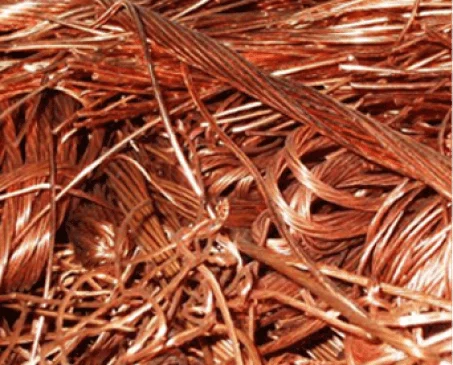
If your load was sorted before arrival, this is where you see the payoff. Sorted copper grades are higher than copper mixed with steel scraps.
Cutting, Shearing, and Sizing
Larger pieces do not fit into the next stage as they are. Big steel beams, old machinery, vehicle frames. These get cut down using industrial shears or oxy torches.
The goal is to break the load into manageable pieces for shredding or baling. This part of the yard can look chaotic from the outside, but there is a rhythm to it. Sparks, noise, machinery moving constantly.
Shredding and Baling
Smaller, lighter metals often go through a shredder. The shredder rips them into fist-sized fragments. From there, magnets and air separators sort the pieces by type.
Heavier metals get baled. A baling press compresses loose scrap into dense, square blocks. Easier to stack, easier to ship, and easier to price.
Quality Checks Before Export
Metal recyclers serving the export market run extra checks at this stage. Buyers overseas pay for specific grades. A load labelled as clean copper had better be clean copper, or the whole shipment gets rejected.
Yards take samples, test for contamination, and verify grade. Some use handheld analysers that read the metal’s composition on the spot. Others rely on experienced graders who can tell the difference by sight and weight.
Loading for Transport
Once processed, sorted, and verified, the metal goes into shipping containers or trucks. Some loads go to Australian mills for domestic remelting. The rest goes to ports for export, mainly to Asia, where demand for recycled metals stays strong.
A Final Thought
Knowing how the yard works changes how you prepare loads. Sort what you can. Separate ferrous from non-ferrous. Ask for weighbridge tickets and written breakdowns.
SRS Metals handles commercial and construction loads with proper weighing, grading, and export-grade processing. Customers are welcome to drop scrap metal off at our yard, with contact details and locations available via www.srsmetals.com.au. To enquire about our pickup services, email enquiries@srsmetals.com.au.
Featured Image Source: https://www.srsmetals.com.au/wp-content/uploads/2022/04/product-img1-453×365-optimized.png