Some traditions don’t fade. They get passed down, adjusted, carried forward by people who learned them from someone who learned them from someone else. That chain matters. It’s what separates a craft with real roots from something that just borrows the look.
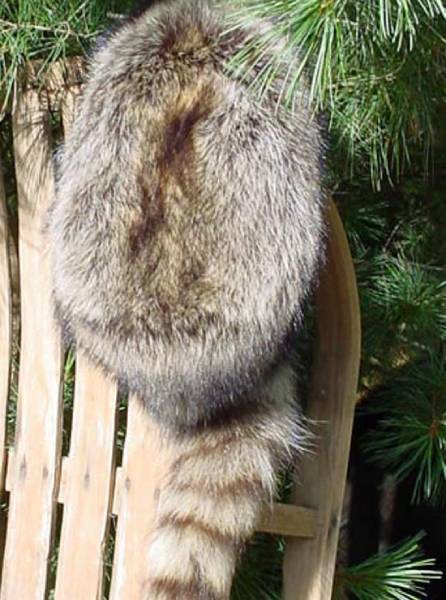
The raccoon hat is one of those pieces most people recognise without knowing much about. What gets left out of the story is the skill involved. Preparing the pelt, shaping the hat, producing something that held up through harsh Canadian winters. That wasn’t accidental. It came from generations of knowledge about materials, climate, and function. The aesthetic was secondary. Keeping warm came first.
Canadian-made purses carry a different history but the same logic. Indigenous women across the country developed beadwork and hide-working techniques that were functional before they were decorative. Pouches and bags were made to last, to be repaired, to be handed down. The craftsmanship wasn’t ornamental. It was practical knowledge expressed through careful, precise work built up over generations.
What Gets Lost When Craft Gets Copied
Reproducing these items at scale removes something from the process. Not just quality, though, that goes too. What disappears is the accumulated knowledge behind each decision. Why this stitch? Why this hide? Why this particular pattern in this region?
Mass production copies the surface and leaves everything else out.
That’s the part that’s hard to explain to someone comparing price tags. The items might look similar. But they aren’t really the same thing once you understand what went into the original. One was made. The other was printed, cut, assembled.
There’s a difference. It shows up eventually.
Craft as Cultural Record
Indigenous craft traditions function as a kind of record. Patterns, materials, and techniques carry information about the community they came from. The region. The climate. The resources that were available and how people learned to work with them.
A piece made by an artisan who learned traditionally carries all of that. Not as decoration. As knowledge embedded in the object itself.
When authentic pieces are bought and valued, artisans have reason to keep making them. When the market fills up with replicas instead, that signal flips. The craft becomes harder to sustain. The knowledge gets harder to pass on.
The Bottom Line
There’s a tendency to treat Indigenous craftsmanship as something historical. Something to appreciate behind glass rather than something relevant to a buying decision today.
That gets it wrong.
These crafts are being made now. By people working now, using skills that took years to develop. The raccoon hat in an authentic craft gallery isn’t a relic. The Canadian made purse beside it didn’t come off a production line. Both came from someone’s hands and someone’s knowledge.
Buying authentic doesn’t ask much. A few questions. A willingness to pay what the work is worth. The difference between a genuine piece and a replica isn’t always obvious at first. Give it time. It usually becomes clear.
Featured Image Source: https://wolfden.ca/wp-content/uploads/2025/07/racconhattail.jpg