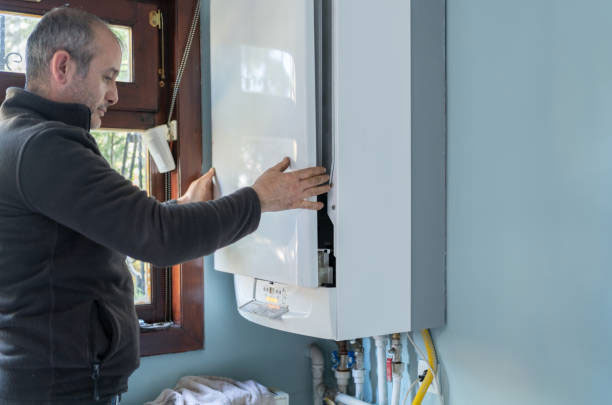
Your water heater talks to you every day. Most homeowners ignore the conversation until cold showers force their attention. The unit rumbles at 3 AM, water temperatures shift during a single shower, or the tank takes forever to reheat after heavy use. These aren’t random quirks. They’re distress signals from a system approaching failure, and waiting too long turns a manageable repair into a full-blown crisis.
Warning Signs That Demand Attention
Unusual Noises Mean Sediment Buildup: Phoenix’s hard water leaves mineral deposits at the bottom of traditional tanks. George Brazil Plumbing & Electrical technicians see this constantly in homes across the Valley. The sediment layer forces the heating element to work harder, creating popping, rumbling, or banging sounds. That noise is metal expanding under stress. Left alone, the buildup reduces tank capacity and accelerates corrosion from the inside out.
Temperature Fluctuations Signal Component Failure: When hot water turns lukewarm mid-shower, the thermostat or heating element is failing. Water heater repair often catches these issues before total breakdown, but many homeowners assume it’s normal aging. It’s not. Temperature inconsistency means the system can’t maintain proper heat levels, which points to electrical problems, failed components, or sediment interference with heat transfer throughout the tank.
Recovery Time Reveals System Stress: A water heater that takes hours to reheat after morning showers is struggling to cope. The heating element might be covered in mineral scale, reducing its contact with water. Or the system is simply undersized for household demand. Either way, slow recovery means the unit operates at maximum capacity constantly, which shortens its lifespan and drives up energy bills.
Simple Repairs vs. System Replacement
When Repairs Make Sense: Thermostat replacements, heating element swaps, and pressure relief valve fixes extend system life at reasonable cost. These repairs work best on units under 8 years old with no visible corrosion or tank damage. A professional inspection reveals whether the core components remain sound or if multiple failures indicate deeper problems requiring full replacement.
Signs of Terminal Decline:
- Rusty water coming from hot water taps
- Pooling or moisture around the tank base
- Multiple component failures within a few months
- Units over 10 years old showing wear
- Visible corrosion on tank exterior or connections
Age matters when deciding between repair and replacement. Traditional tanks over 10 years old often fail shortly after one repair is completed. The money spent fixing an old unit could cover part of a new system that won’t fail again for a decade.
How Modern Systems Reduce Failure Points
Tankless Advantages: These systems eliminate the biggest failure cause in traditional units, which is the storage tank itself. No tank means no corrosion, no sediment buildup, and no catastrophic leaks flooding the garage. Tankless units heat water on demand, so they’re not constantly cycling on and off like traditional tanks. Fewer cycles mean less wear on components.
Maintenance Requirements Differ: Tankless systems need annual descaling in Phoenix due to hard water, but this prevents failure rather than reacting to it. The process takes less than an hour and costs far less than emergency tank replacement after a midnight rupture. Some homeowners skip this service and then wonder why their tankless unit fails at year five instead of lasting 20 years like promised.
Professional Diagnosis Beats Guesswork
Why DIY Assessment Fails: Homeowners hear strange noises and assume the worst, or they ignore serious problems, thinking everything’s fine. YouTube videos don’t account for Phoenix’s specific water conditions, building codes, or the unique wear patterns created by 115-degree summer temperatures. A trained eye spots early corrosion, identifies sediment levels, and tests electrical components properly.
Testing Reveals Hidden Problems: Professionals check anode rods, which most homeowners don’t know exist. This sacrificial component protects the tank from corrosion. When it’s gone, the tank starts rusting from the inside. By the time rusty water appears at the tap, replacement is the only option. Regular inspections catch this before failure occurs.
Conclusion
Water heaters rarely die without warning. The sounds, temperature changes, and performance issues are clear indicators that problems are developing. Catching these early saves money, prevents water damage, and keeps hot water flowing when needed most. Call 602-257-9000 for 24/7 emergency service or schedule an inspection before that strange noise becomes a cold shower crisis.
Featured Image Source: https://media.gettyimages.com/id/2077800140/photo/gas-heating-boiler-service-at-home.jpg?s=612×612&w=0&k=20&c=Kag9k42jX9USV79KvskjJiC9xDcKfzzQU0bF-G2sZ_8=