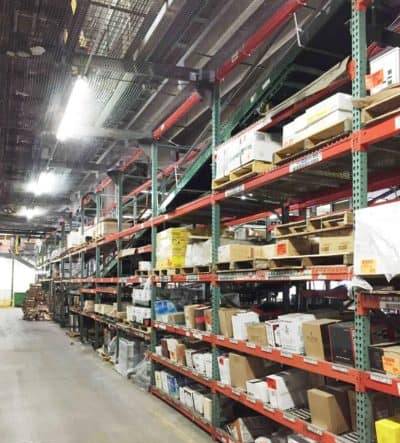
Good warehouse design can make or break your operations. It’s about more than just fitting shelves and racks into a space. A well-thought-out warehouse plan can save you time, reduce costs, and make everything flow smoother. Let’s break it down.
Maximizing Space—No Wasted Square Footage
Think about space as your most valuable resource. Every inch matters. So, how do you get the most out of your space? Vertical storage is key. Use shelves and warehouse racking for sale that will allow you to stack items. If you’re looking for warehouse racking for sale, make sure it’s adjustable. Flexible racking means you can store more without expanding your building. The goal is to make sure you’re not wasting floor space.
But here’s the thing: it’s not just about cramming in as much as possible. You still need to be able to get to everything easily. Storing bulky items up high and frequently accessed goods at eye level or near packing areas makes a huge difference. Space optimization in your warehouse plan is about balance—not just filling the warehouse, but doing it smartly.
Smooth Flow—No Stops, No Delays
How do things move through your warehouse? From receiving goods to getting them packed and shipped, everything should flow naturally. Picture it like a smooth conveyor belt (even if you don’t have one!). Goods should move from point A to B without unnecessary stops. Avoid having too many places where items get stuck or have to be handled more than once.
When setting up your warehouse, think about where things come in and where they go out. Don’t make workers walk all over just to get one box. The quicker they can get the product out the door, the better for everyone.
What About Organization?
Organizing your racking systems clearly means workers can quickly find what they need. You don’t want them to spend hours searching for a pallet of goods that’s stuck somewhere in the back. Clear labels and smart organization go a long way. Having fast access to your inventory means fewer mistakes and less downtime.
Keep It Simple and Safe
At the end of the day, warehouse design is about making the job easier and safer for everyone. Safety shouldn’t be an afterthought. It’s not that hard to make sure your warehouse is safe and easy to navigate. Just keep things simple: make sure the walkways are clear, the lighting is good, and the workstations are comfortable. Bright lights, open aisles, and safety barriers in busy spots are small touches that make a big difference.
In Closing
Good warehouse design isn’t just about drawing a floor plan. It’s about creating a space that works for everyone—your team, your equipment, and your inventory. If you maximize the space you have, make your workflow as smooth as possible, and invest in the right tools, you set your warehouse up for success.
If you’re looking for warehouse racking for sale or other storage solutions, think about your needs carefully. What kind of products do you store? How much space do you need to access quickly? Make sure your design and your tools support each other. When everything clicks, the whole operation becomes faster and more efficient.
Featured image Source: https://conesco.com/wp-content/uploads/2019/10/Teardrop-Rack-and-C-Flow-400×516.jpg